
// DESIGNER ART TOYS & STEM ROBOTICS
Limited Run Art Toy Artists: A Collector’s Buying Guide
Shopping for limited run art toy artists is really shopping for a point of view: a character, a sculptural language, or a small universe you want to inhabit. The strongest purchases combine distinctive design with clear production details. Scarcity can sharpen the appeal, but a low edition number cannot rescue weak sculpting, muddy paintwork, or a story that disappears after the launch.
Start by separating artist-made editions, small-batch manufactured collectibles, and character merchandise. All three can deserve shelf space; they simply offer different things. WOWLS sits at the intersection of winged-wolf character design, space-bound storytelling, collectibles, and streetwear. Its Shop offers available-now pieces, while its proposed character-and-robotics ecosystem points toward a different kind of collecting.
Limited Run Art Toy Artists: Find the Signature First
A compelling artist usually has a recognizable silhouette before you notice the packaging. Look for recurring shapes, expressions, textures, and narrative ideas across releases. Portfolio pages, independent galleries, specialist retailers, and exhibition catalogs can help you follow that development. An isolated launch image tells you less than several finished pieces photographed from multiple angles.
Before buying, identify who designed, sculpted, manufactured, and painted the object. Those roles may belong to one person or several collaborators. Neither arrangement is inherently better, but the credits explain what you are supporting. For commissions, agree on dimensions, materials, revision limits, delivery expectations, and whether the artist may reproduce the design.
Edition Size Is Only Half the Value Story
Typical industry asking prices span roughly –for smaller manufactured collectibles, –for more involved small-batch pieces, and upward for substantial hand-painted editions or one-offs. These are broad shopping ranges, not WOWLS prices or resale forecasts. Size, tooling, casting complexity, finishing time, and the artist’s market all affect the ticket.
Ask whether the stated edition covers the entire sculpt or just one colorway. Numbering, signatures, and certificates help document a release, but they do not guarantee quality or future value. An open-edition object can be a better purchase than a limited release with poor finishing. Allow room in your budget for shipping, applicable import charges, and safe display.

Choose Materials for the Way You Collect
Resin supports crisp detail and small production batches, but thin projections can chip or snap. Vinyl can suit rounded, hollow forms, although its finish still needs careful handling. Plush offers a tactile interpretation of a character, with stitching, fabric quality, and expression doing the work that casting and paint do in sculpture.
Request close-ups of seams, joints, bases, and delicate accessories—not just dramatic promotional photography. Check dimensions against your actual shelf. Keep painted pieces away from direct sunlight and heat, and use gentle dusting rather than solvents. If the purchase is for a child, look for explicit age guidance and safety information; collectible styling alone does not establish play suitability.

Build a WOWLS Shelf, Then Wear the Universe
The available-now WOWLS Shop includes the Aero Guardian Figurine, Winged Wolf Wood-Look Sculpture, and WOWL Plush Pup. The gray-and-white plush has bright blue eyes, oversized paws, and a gold-colored pendant—a softer entry into the brand’s winged-wolf universe. Treat these as character collectibles rather than assuming numbered editions or artist signatures; check each listing for current specifications and pricing.
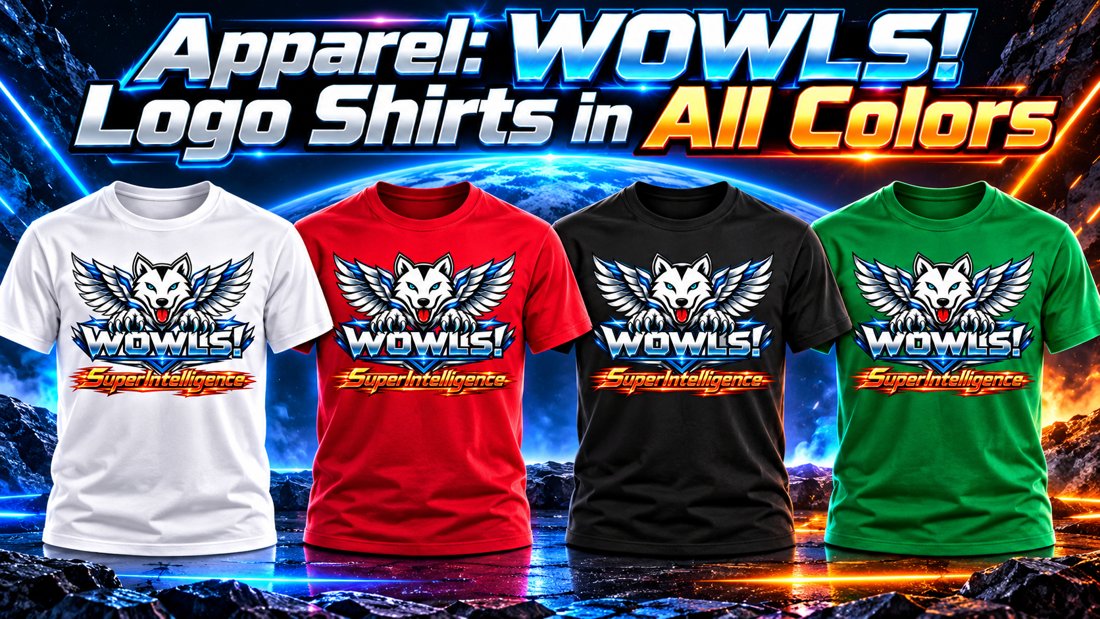
For a coordinated shelf-and-wardrobe approach, the Cosmic Odyssey Capsule tee depicts a WOWL soaring toward a glowing planet as spacecraft streak past. Moonlit Summit places the character on a snowy peak beneath a full moon. The connection is visual storytelling, not manufactured scarcity. WOWLS’ fictional Siberian origin legend and lunar-colonization identity give the collection a narrative thread beyond a single object.
When Character Collecting Meets STEM
A display collectible and an educational flying robot answer different needs. With robotics, prioritize repairability, replacement parts, battery handling, operating space, and age-appropriate supervision over character styling. Ask what learners actually do: assemble mechanisms, adjust controls, or investigate how wing motion creates lift. A STEM label should describe an activity, not merely decorate the box.
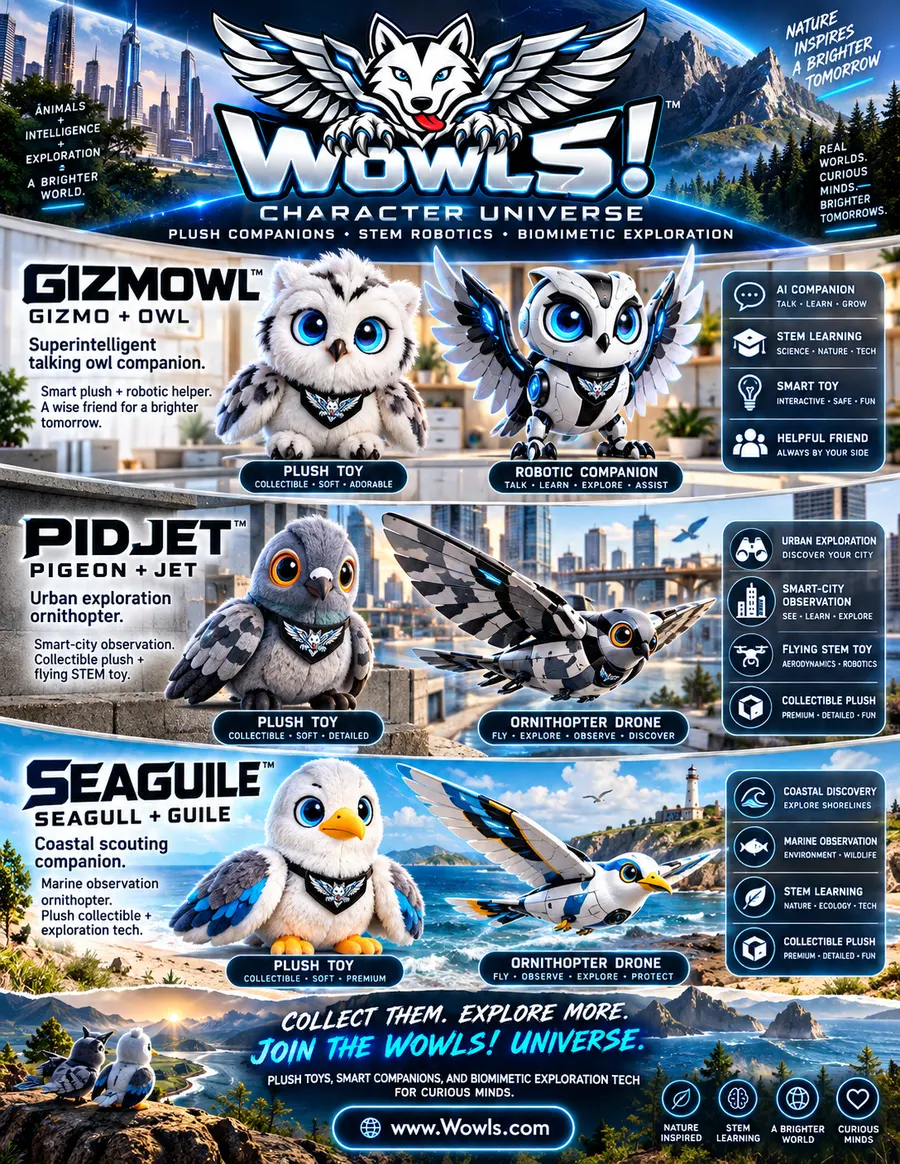
WOWLS’ Character Universe proposes GIZMOWL, PIDJET, and SEAGUILE plush companions paired with biomimetic ornithopter STEM drones—aircraft using flapping wings. These remain concepts, not available robotic products. Register interest through /contact for the STEM ornithopter waitlist. For something tangible now, explore the Shop’s collectibles; for a free family introduction to the space-travel theme, visit the coloring-book pages.

How do I know whether a limited-run art toy is worth buying?
Judge the design and execution before the edition number. Look for clear artist credits, material and size specifications, detailed photographs, and a precise explanation of what is limited: the sculpt, colorway, or release batch. Compare similar pieces by construction and finishing rather than scarcity alone. Check delivery terms and the seller’s approach to damage in transit. Buy because you want to live with the object, not because you expect appreciation. For WOWLS collectibles, consult /shop for current product details and pricing without assuming numbered-edition status.