
// PAINT PROTECTION FILM (PPF) & ARMOR COATINGS
Self Healing Car Wrap Film: PPF, Color and Custom Livery
Searching for self healing car wrap film usually means wanting two things: a distinctive finish and protection that keeps looking fresh. The catch is that conventional color-change vinyl and self-healing paint protection film are not interchangeable. For scratch recovery and meaningful resistance to road debris, start with paint protection film, usually called PPF, rather than assuming any premium wrap offers both.
For an exotic car, expedition truck or daily-driven custom build, the strongest specification begins with how you use it. Highway mileage, tight trails, outdoor parking and intricate bodywork create different demands. Choose the protective material first, then develop the color, graphics and installation plan around it.
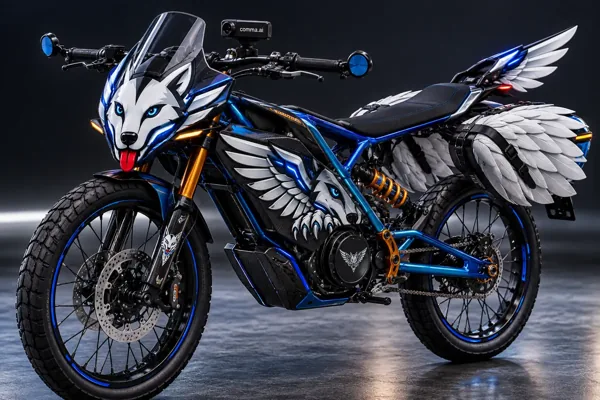
The WOWLS Zuun-Class electric street interceptor has a target weight < 200 lbs, using a titanium and carbon-composite skeletal frame. Its autonomy direction explores comma.ai open-source self driving; this is a proposed integration, not demonstrated motorcycle compatibility, an endorsement, or permission for hands-off riding.

How self healing car wrap film actually works
Most automotive self-healing PPF uses a flexible thermoplastic polyurethane construction with an elastomeric topcoat. Fine marks in that surface can relax as the coating recovers, often accelerated by sunlight, warm water or controlled heat. Some formulations recover at ambient temperatures; others need more warmth. Ask for the specific film’s technical guidance rather than relying on a demonstration alone.
Healing describes shallow surface recovery, not regeneration. A stone strike that tears the film, a deep cut or damage that reaches the paint will not disappear with heat. Bird droppings, mineral deposits and chemical staining are separate problems, too. Prompt cleaning still matters, and a damaged panel may need replacement.
Clear PPF, Colored PPF or Printed Vinyl?
Clear PPF preserves the existing paint color and suits owners who want protection without redesigning the car. Matte-finish PPF changes the sheen while keeping the underlying color visible. Colored PPF combines a new appearance with protection, but finish selection, conformability and installation requirements vary considerably between products.
Printed vinyl remains a versatile route for elaborate artwork and full-body livery. It primarily changes appearance; it is not automatically a stone-chip barrier or self-healing surface. Clear PPF over printed vinyl can protect a graphic package, but only where the film, ink, laminate and adhesive stack are compatible. Get written confirmation covering adhesion, appearance, removal and warranty responsibility before layering materials.
Typical Costs and Where Coverage Pays
As broad U.S. installed-market ranges, full-front clear PPF commonly runs about –, while whole-vehicle clear PPF often falls around –or more. Full-body colored PPF can run roughly –-plus. These are industry planning ranges, not WOWLS quotes; vehicle size, film selection, paint preparation, location and installation complexity can shift the total substantially.
A full-front package generally targets the bumper, hood, front fenders and mirror caps, but confirm exactly what the quote includes. Rocker panels and rear-wheel impact zones can be smart additions. Whole-body coverage makes more sense when preserving a uniform finish or protecting exposed sides matters. Ask whether correction, trim removal, wrapped edges and follow-up inspection are included.
Installation Quality Is Part of the Protection
Film cannot stabilize failing clear coat or conceal every paint defect. The installer should inspect chips, contamination, previous repairs and repaint history before quoting preparation. Fresh refinishing requires the paint supplier’s recommended cure period. On complex exotic bodywork, discuss relief cuts, seams and exposed edges upfront: promising an invisible, seamless result everywhere is not credible.
Request close-up examples around vents, badges, mirrors and bumper recesses. A realistic warranty should distinguish material defects from installation issues and ordinary impact damage. Ceramic coatings can improve water behavior and cleaning ease when approved for the film, but they do not replace PPF’s physical barrier. Avoid abrasive polishing or improvised high-heat treatments unless the film manufacturer explicitly permits them.
Building a WOWLS Livery Around Real Protection
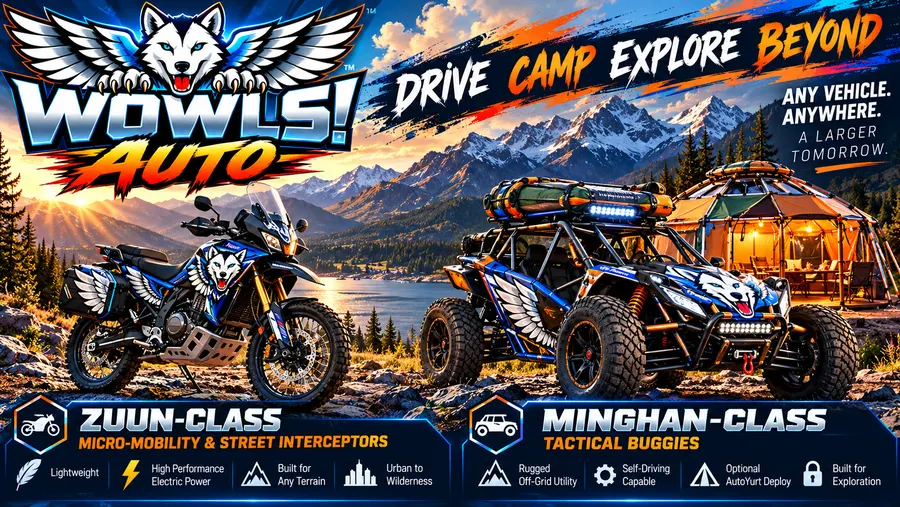
WOWLS Auto & Mobility brings its Exotic Mongolian Livery direction to custom-wrap concepts for cars, trucks, SUVs, vans, UTVs and motorcycles. WOWLS works hand in hand with established custom wrap businesses and can develop a design from your own concept. That creative process should include a practical material brief, not just a striking render.
Specify whether you want clear protection over existing paint, colored PPF or a compatible protected graphic system. Then map focal artwork against panel breaks and likely replacement zones so future repairs do not require rebuilding the entire composition. Explore /auto and register interest through /contact for a private consultation with the custom build team; material availability and execution should be confirmed for your project.
Is self healing car wrap film worth it for a daily driver?
It can be, especially if highway debris and wash-induced surface marks are your main concerns. Self-healing PPF can recover from light topcoat scratches, but it cannot repair deep cuts, torn film or damaged paint. For many daily drivers, full-front coverage plus vulnerable rocker panels offers a practical balance between protection and. If your priority is a new color or intricate artwork, compare colored PPF with a compatible vinyl-and-PPF system. Judge the installer, coverage and warranty alongside the film itself.