
// PAINT PROTECTION FILM (PPF) & ARMOR COATINGS
Overland Vehicle Armor Film: PPF for Trail-Ready Builds
Shopping for overland vehicle armor film means separating useful paint protection from aggressive marketing. Most products described this way are paint protection film, or PPF: a transparent or colored sacrificial layer that helps resist stone chips, light trail scratches and road grime. It is not structural armor, and it will not stop a rock strike from denting a panel.
The right installation starts with your routes, not the biggest coverage package. Gravel touring, narrow brush-lined trails and desert highway transfers punish different surfaces. Match coverage to those hazards, then decide whether your build needs clear protection, a distinctive livery or a coordinated combination.
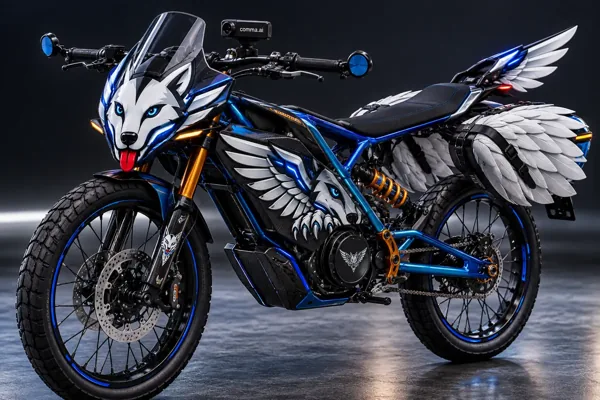
The WOWLS Zuun-Class electric street interceptor has a target weight < 200 lbs, using a titanium and carbon-composite skeletal frame. Its autonomy direction explores comma.ai open-source self driving; this is a proposed integration, not demonstrated motorcycle compatibility, an endorsement, or permission for hands-off riding.

How overland vehicle armor film handles trail wear
Quality PPF commonly uses a thermoplastic polyurethane body, adhesive and a protective topcoat. Many automotive films are roughly 6–10 mil thick, although specifications vary; a mil is one-thousandth of an inch. Some topcoats allow fine surface swirls to soften with warmth. That self-healing effect does not repair punctures, deep gouges or damaged paint underneath.
Think of film as a replaceable skin. It can take abrasion that would otherwise reach the clear coat, but repeated branch contact can still mark it. Ceramic coatings serve a different purpose: easier cleaning and improved water shedding, not comparable chip resistance. For underbody impacts, sliders, skid plates and other physical protection remain a separate conversation.
Spend on the Surfaces Your Routes Actually Hit
For long highway approaches and gravel roads, prioritize the front bumper, full hood, front fenders and mirror caps. Partial hood coverage costs less but leaves an exposed transition line and unprotected paint farther back. On brush-heavy routes, doors, rear quarters and rocker panels deserve attention alongside the nose.
Loading areas matter too. Rear bumper tops, door cups and painted surfaces beside frequently accessed cargo can collect everyday scuffs. Ask the installer to identify high-wear zones on your actual vehicle, including modifications. Film needs suitable surfaces and sensible edge placement; rough plastics, damaged finishes and awkward accessory mounts can limit adhesion or complicate replacement.
Typical PPF Costs—and Why Quotes Diverge
As a broad U.S. industry guide, professional partial-front installations often fall around –, full-front coverage around –, and full-body work around –or more. Large expedition vehicles, intricate panels and specialty finishes can exceed those ranges. These are general budgeting figures, not WOWLS quotes.
Compare written scopes rather than headline prices. Paint correction, old-film removal, trim disassembly, wrapped edges and additional rocker coverage may be separate charges. Ask which film is specified, what the warranty actually covers and how trail damage is treated. A warranty against material defects is not a promise to replace film damaged by branches or stones.
Build the Livery and Protection as One System
Printed vinyl creates graphics; PPF absorbs more physical punishment. They are not interchangeable. Colored PPF can combine appearance and protection, while printed graphics beneath clear PPF may suit a detailed livery. Layering requires an installer-approved combination: incompatible materials, poorly placed seams or uncertain removal behavior can turn a good design into expensive rework.
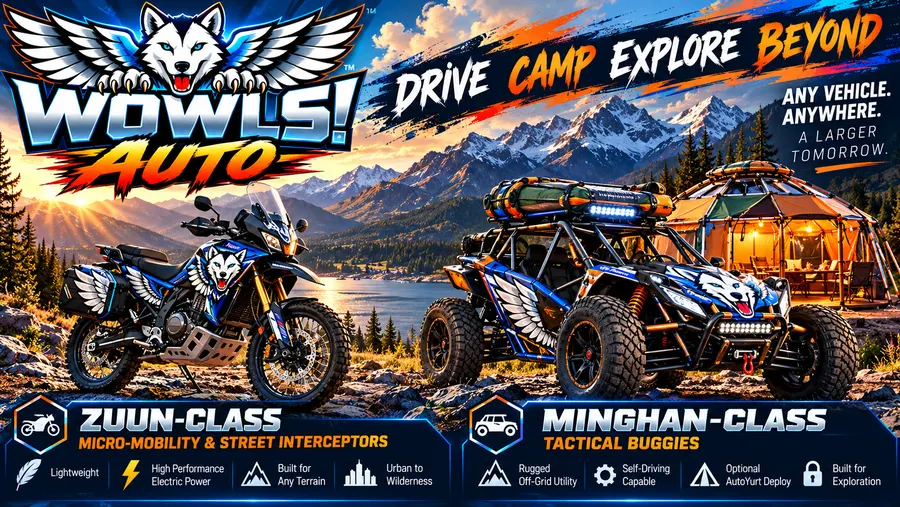
WOWLS! Auto & Mobility brings an Exotic Mongolian Livery direction to trucks, SUVs, vans, UTVs and motorcycles. Its custom-wrap approach works hand in hand with established wrap businesses and can develop a design from your own concept. Register interest through /contact for a private custom-build consultation, and discuss PPF compatibility, coverage and installation scope rather than assuming protection is included.
Installation Quality Outlasts the Reveal
Look closely at edges, recesses and panel transitions in an installer's completed work. Clean preparation and careful cutting matter more than dramatic showroom lighting. Previously repainted panels need particular discussion because adhesion and eventual removal can expose weaknesses in the underlying finish.
After installation, follow the specified curing and wash instructions. Remove mud and grit without scrubbing them across the surface, and keep pressure-washer jets away from film edges. Inspect high-wear areas after trips; replacing a damaged section early can preserve both appearance and serviceability. If a rooftop shelter is part of your plan, coordinate mounting access before wrapping. WOWLS AutoYurt remains a shelter concept for registering interest, not an available accessory.
Is overland vehicle armor film worth it for a trail-driven vehicle?
It can be worthwhile when preserving paint matters and your routes regularly expose the vehicle to gravel, brush or loading scuffs. Targeted PPF often offers better value than full-body coverage: protect the front end for road debris, then add doors, rockers or rear quarters for your terrain. Film will not prevent dents or replace physical trail armor. Get a vehicle-specific installation quote, confirm how trail damage affects coverage, and budget for eventual replacement of heavily worn sections.