
// PAINT PROTECTION FILM (PPF) & ARMOR COATINGS
Optical Clarity PPF: Protect Exotic Paint Without Haze
For buyers comparing optical clarity ppf options, the real question is simple: will the protection disappear, or will it change the paint you paid for? On an exotic finish or custom livery, transparent film must preserve color depth, metallic sparkle and crisp graphic edges—not merely look glossy under showroom lighting.
Paint protection film is a sacrificial barrier against stone chips, light abrasion and road contamination. Its appearance depends on the entire installed system: film, adhesive, topcoat, paint preparation and workmanship. Buying by thickness or warranty length alone misses the detail that matters every time sunlight hits the bodywork.
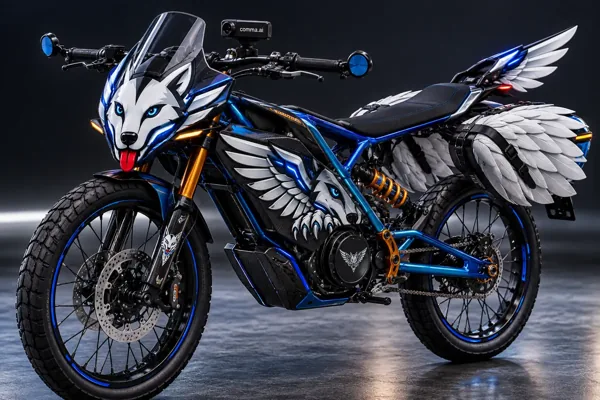
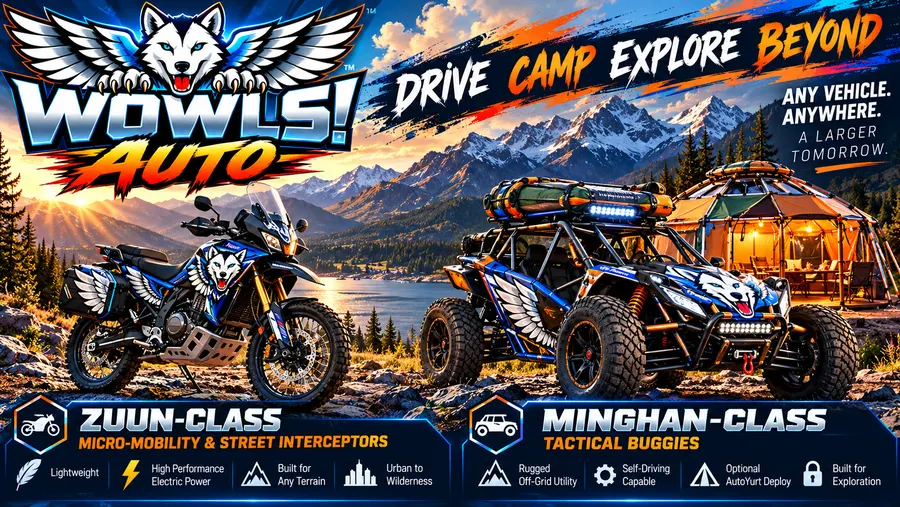
The WOWLS Zuun-Class electric street interceptor has a target weight < 200 lbs, using a titanium and carbon-composite skeletal frame. Its autonomy direction explores comma.ai open-source self driving; this is a proposed integration, not demonstrated motorcycle compatibility, an endorsement, or permission for hands-off riding.

Judging optical clarity ppf on the Car
Clarity is not the same as shine. A film can deliver strong reflections while adding haze, a faint color cast or orange-peel texture that softens those reflections. Gloss meters measure reflected light, but a gloss claim alone cannot establish transparency or image sharpness. Ask to compare installed samples against uncovered paint on the same panel.
Inspect outdoors and under directional workshop lighting. Black paint reveals texture and distorted reflections; white highlights discoloration; metallic finishes expose lost sparkle. Look across the panel as well as straight at it. A loose sample held in the air tells you much less than film bonded over a finish like yours.
The Film Stack Behind an Invisible Finish
Premium automotive PPF commonly uses thermoplastic polyurethane, an adhesive layer and a protective topcoat. Each can affect appearance. Adhesive irregularities can create visible distortion, while excessive stretching around compound curves may leave installation marks. Many clear films are roughly 6–8 mil thick before their removable liners, although specifications vary; thickness alone is not a clarity rating.
Self-healing topcoats can reduce fine surface marks with warmth, but they do not repair punctures or deep cuts. Hydrophobic behavior helps water release; it does not make the film stain-proof. Ask for the exact product specification and written coverage for yellowing, staining, cracking and adhesive failure, including whether replacement labor is included.
Installation Is Where Premium Film Earns Its Price
Film preserves what sits underneath it—including polishing haze, water spots and trapped grit. Preparation should include careful cleaning, decontamination and appropriate paint correction. Recently repainted panels need the paint supplier’s curing guidance before coverage. Temporary moisture haze can occur after installation, but persistent distortion deserves inspection rather than an indefinite promise that it will disappear.
Discuss seams, wrapped edges and panel disassembly before booking. Plotter-cut patterns reduce the need to cut near paint, while custom fitting can improve coverage on unusual bodywork; either approach still requires skill. Request examples around vents, tight recesses and sharp creases. Those areas reveal workmanship faster than a broad, flat hood.
Coverage, Coatings and Realistic Budgets
Typical U.S. professional installation ranges are approximately –for partial-front coverage, –for a full-front package and –or more for full-body coverage. These are broad industry budgeting ranges, not WOWLS quotes. Exotic bodywork, extensive preparation, disassembly and intricate edge finishing can increase the bill.
A full-front package generally targets the bumper, hood, front fenders and mirrors; confirm the actual panel list. Add vulnerable rocker panels for frequent highway use. Ceramic coatings can simplify cleaning but do not replace PPF’s stone-chip barrier. For matte or satin paint, use a matching-finish film: clear gloss PPF will change the intended appearance.
Protecting a WOWLS Livery Without Muting the Artwork
Layering PPF over printed wrap vinyl requires compatibility checks across the vinyl, ink, laminate and protective film. Added layers can emphasize graphic edges or change sheen, and later removal may lift the underlying wrap. Have the installer test the proposed combination and establish responsibility for both appearance and removal before covering the vehicle.
WOWLS Auto & Mobility develops custom livery concepts with established wrap businesses, including designs built from a customer’s own idea. Its Exotic Mongolian Livery direction gives owners a distinctive creative starting point. Register interest through /contact and request a private consultation with the custom build team; discuss protective-film compatibility alongside the artwork, not after installation.
Is higher-priced PPF always clearer than cheaper film?
No. Price can reflect film quality, installer skill, preparation, coverage and local labor, but it is not a direct clarity measurement. Compare installed samples on similar paint and examine haze, reflection sharpness, color shift and edge finishing. Ask which exact film is included and what the warranty covers. A well-installed, appropriately specified film may look better than a more expensive product stretched poorly or applied over imperfect paint. Choose the finished result and accountable workmanship, not the premium label alone.