
// ELECTRIC NOMAD VEHICLES & OVERLAND EVS
Off Road Electric Vehicle Wrap: Livery Built for Adventure
An off road electric vehicle wrap should do more than make an overland rig look expedition-ready. It needs a deliberate relationship with the vehicle’s shape, trail exposure, charging hardware and maintenance routine. The strongest result combines distinctive livery with sensible material choices—not a promise that decorative vinyl will make paint immune to branches.
For electric trucks, SUVs, vans and utility platforms, start with how you actually travel: dusty access roads, wooded trails or long highway stretches between camps. WOWLS! Auto & Mobility brings a winged-wolf visual identity to custom livery concepts, working hand in hand with established wrap businesses to develop designs from a customer’s own idea.
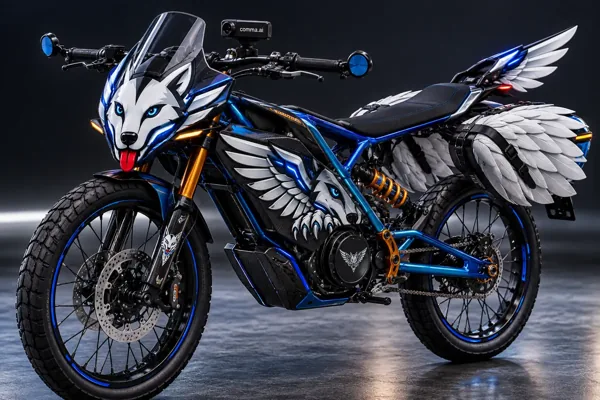
The WOWLS Zuun-Class electric street interceptor has a target weight < 200 lbs, using a titanium and carbon-composite skeletal frame. Its autonomy direction explores comma.ai open-source self driving; this is a proposed integration, not demonstrated motorcycle compatibility, an endorsement, or permission for hands-off riding.

Build an Off Road Electric Vehicle Wrap Around the Route
Coverage follows exposure. A full wrap delivers the most complete color transformation, while partial wraps concentrate graphics on doors, rear quarters or other broad surfaces. For a working overland EV, a partial livery can leave vulnerable lower panels easier to inspect and refinish. Ask the installer where seams will sit and how individual sections can be replaced after damage.
Wraps generally adhere best to sound, smooth painted surfaces. Textured plastics, flaking finishes, corrosion and deep scratches complicate adhesion or show through the film. Existing ceramic coatings may also require preparation. Share photographs of the actual vehicle—including racks, aftermarket panels and charging doors—before treating an estimate as final.
Choose the Film Before the Finish
For complex curves and a long-term exterior application, installers commonly favor cast automotive wrap film over cheaper short-term graphic materials. Printed livery should use a compatible protective laminate. Gloss emphasizes color and is usually straightforward to clean; matte and satin create a quieter, technical appearance but need finish-appropriate care to avoid uneven sheen.
Decorative vinyl provides limited protection against light surface wear, not dependable defense against rock strikes or heavy brush. Paint protection film is the more appropriate category when impact resistance matters. Discuss a coordinated vinyl-and-protection-film plan with the installer rather than assuming any two films can be layered successfully. Removable trail protection may make more sense for especially abusive routes.
Budget for Preparation, Not Just Square Footage
As a typical U.S. industry planning range, a professionally installed full vinyl wrap on a truck or SUV often runs roughly –, with large vehicles, intricate graphics and specialty finishes costing more. Partial graphics can start in the hundreds and extend into several thousand dollars. These are general market ranges, not WOWLS quotes.
A useful proposal separates design, film, surface preparation, disassembly and installation. Ask whether removal of an existing wrap, paint correction and future replacement panels are included. Custom artwork revisions can also affect the total. Compare the installer’s panel-edge finishing and similar vehicle work—not simply the lowest advertised price—and request written care and warranty terms.
Keep Charging, Cooling and Trail Repairs Accessible
An EV livery needs to respect functional boundaries. Keep charging-port seals, drainage paths, cooling openings, cameras, radar areas and other sensors clear according to vehicle requirements. Do not assume a film is harmless over a sensor because it looks thin. Charging-door graphics should align cleanly without bridging moving gaps or making the port harder to access.
Coordinate graphics with rooftop shelters, recovery equipment and removable body accessories before production. Save the approved artwork and film specifications so a damaged door graphic can be reproduced without redesigning the vehicle. After muddy trips, rinse abrasive grit away before washing; avoid directing high-pressure water into film edges, and follow the film maker’s cleaning instructions.
Give the Electric Nomad a Distinctive Identity
WOWLS! Auto & Mobility frames its direction as independent, anti-corporate motion: expressive machines for cyber nomads and radical self-reliance. Its Exotic Mongolian Livery concept offers a starting point for a customer-led design, whether the brief calls for bold winged-wolf graphics or a restrained expedition treatment. Register interest to request a private consultation with the custom build team.
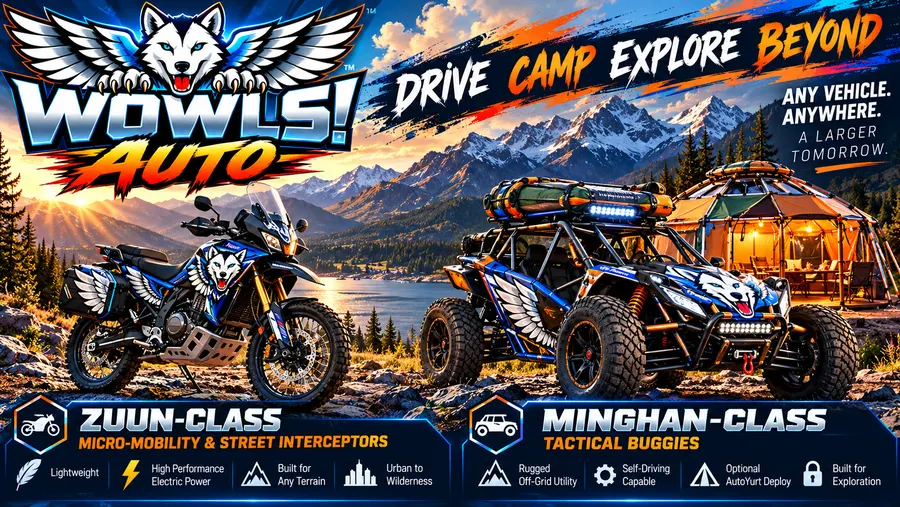
The wider concept ecosystem includes the Minghan-Class all-electric tactical buggy and AutoYurt electro-pneumatic rooftop shelter. Both remain concepts, not available production machines. For an existing vehicle, the practical starting point is the livery brief: your platform, terrain, preferred coverage and visual references. WOWLS can develop that direction alongside established custom wrap businesses.
Is a vinyl wrap enough to protect an electric off-road vehicle?
A decorative vinyl wrap is primarily a visual finish. It can help with minor surface wear, but sharp branches, gravel impacts and scraping can cut or lift it. For protection-focused builds, ask an installer about paint protection film on exposed areas and a compatible livery plan elsewhere. Sound paint, careful preparation and accessible panel edges matter as much as the graphic. Tell the installer how often you drive trails so the material choice reflects real use rather than appearance alone.