
// ELECTRIC NOMAD VEHICLES & OVERLAND EVS
Cybertruck Wrap: Custom Livery for Electric Nomads
A cybertruck wrap can do more than change the color of an angular electric truck. It can turn a huge, reflective surface into a coherent expedition identity—or an expensive collection of peeling edges. The difference is material selection, surface preparation and artwork designed around the actual body geometry, not simply stretched across a digital mockup.
For an electric nomad build, start with how you travel: city miles, dusty access roads, prolonged sun exposure or regular encounters with brush. Then decide whether your priority is visual impact, paint-film protection or both. WOWLS! Auto & Mobility brings a distinctive direction to that conversation: Exotic Mongolian Livery, winged-wolf symbolism and aerospace-inspired aesthetics developed around your own concept.
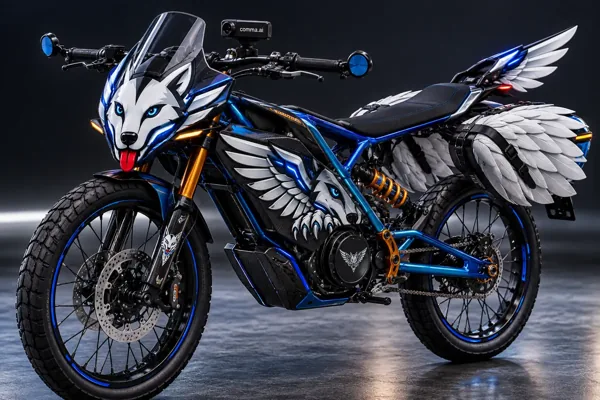
The WOWLS Zuun-Class electric street interceptor has a target weight < 200 lbs, using a titanium and carbon-composite skeletal frame. Its autonomy direction explores comma.ai open-source self driving; this is a proposed integration, not demonstrated motorcycle compatibility, an endorsement, or permission for hands-off riding.

Choose the Film Before the Finish
Color-change vinyl is primarily a styling material. It offers gloss, satin, matte and specialty effects, plus a surface for printed graphics, but it is not armor against trail damage. Paint protection film, often called PPF, is generally thicker and better suited to resisting stone chips and light abrasion. Colored protective films can combine appearance and protection, although availability and installation costs vary.
Large flat panels make graphics legible, but they also expose installation flaws. Stainless surfaces require a film system and preparation process the installer considers suitable; oils, contamination and inconsistent surface treatment can compromise adhesion. Ask how the shop handles panel edges, seams and removal, and whether the material manufacturer supports the proposed application.
Budgeting a cybertruck wrap
As a broad U.S. industry planning range, a professionally installed full-size truck vinyl wrap often runs about –. Complex printed liveries, specialty finishes and extensive preparation can push the total higher. Full-body protective film commonly falls around –or more. These are general market ranges, not WOWLS quotes; local labor rates, coverage and material choice matter.
Compare written scopes rather than headline prices. Establish whether design, print production, laminate, surface preparation, trim handling and a post-installation inspection are included. Removal of an existing wrap may cost extra. A partial livery can make better commercial sense than full coverage: bold door graphics and carefully placed accents preserve visual impact while reducing the amount of film and labor required.
Make Angular Bodywork Work for You
Strong geometry rewards restraint. A dominant graphic, a controlled palette and deliberate negative space usually read better than dozens of competing details. Review the design from the front three-quarter angle, side profile and rear—not just the most flattering render. Door gaps can split a face, lettering or emblem in ways that look accidental once the vehicle moves.
WOWLS works hand in hand with established custom wrap businesses to develop livery from a customer's own concept. Its Exotic Mongolian direction suits electric overland builds particularly well: think expedition markings, feather-derived forms and a winged-wolf focal point. Treat aerospace-inspired appearance and actual material performance as separate specifications; any specialized finish should be identified in the installer’s proposal.
Build Around the Expedition Hardware
Roof equipment, recovery accessories and external storage change both the silhouette and the installation sequence. Settle major hardware decisions before approving artwork so mounting points do not interrupt key graphics. Keep cameras, sensors, lights, identification labels and service access unobstructed. A wrap should never be assumed to improve driver-assistance performance.
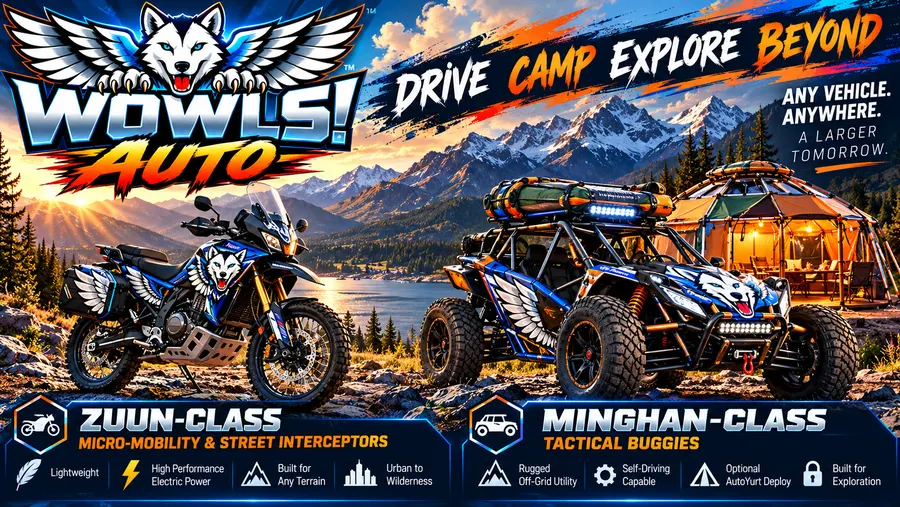
The broader WOWLS electric-nomad vision includes the conceptual Minghan-Class electric tactical buggy and AutoYurt electro-pneumatic rooftop shelter. Their modular design language can inspire a coordinated vehicle-and-camp identity. AutoYurt remains a concept, so compatibility with a particular truck or rack needs confirmation rather than assumption. Explore the concepts or register interest; they are not available as completed vehicle or shelter products.
Protect the Installation, Not Just the Look
Outdoor storage, abrasive dust and repeated pressure-washing at exposed edges can shorten a wrap’s useful life. Follow the film maker’s care instructions, remove contaminants promptly and avoid aggressive scrubbing. Matte and textured finishes deserve particular attention because incorrect cleaning products can alter their appearance. Ask the installer to distinguish material warranty coverage from workmanship coverage.
For a WOWLS commission, begin with the vehicle configuration, reference images, preferred finish, coverage and realistic budget. Request a private consultation with the custom build team through /contact. WOWLS can help shape the visual concept with an established wrap business; confirm the final scope, installer responsibilities and production timing before committing.
Is vinyl or protective film better for an electric overland truck?
Choose vinyl when custom graphics, color and budget are the main priorities. Choose protective film when stone chips and light abrasion matter more, while remembering that neither material makes bodywork trail-proof. For mixed use, ask an installer about a compatible combination of graphic coverage and protection in exposed areas. The right answer depends on surface suitability, storage conditions and your routes. Compare installed samples and written coverage details before selecting a finish solely from a screen.