
// PAINT PROTECTION FILM (PPF) & ARMOR COATINGS
Exotic Car Armor Protection: PPF, Coatings & Custom Livery
Shopping for exotic car armor protection means separating genuine impact protection from a glossy sales pitch. Paint protection film, ceramic coatings and decorative wraps solve different problems. The right combination depends on where you drive, how much exposed paint you want covered and whether your car should look factory-original or unmistakably yours.
Start with the finish you want to preserve, then build the visual identity around it. For a weekend sportscar, front-impact coverage may be enough. A regularly driven exotic with wide rear haunches, low sills and expensive paint deserves a broader plan—and an installer who understands its geometry.
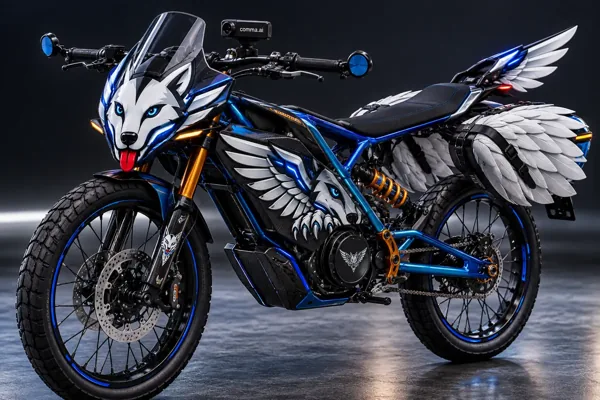
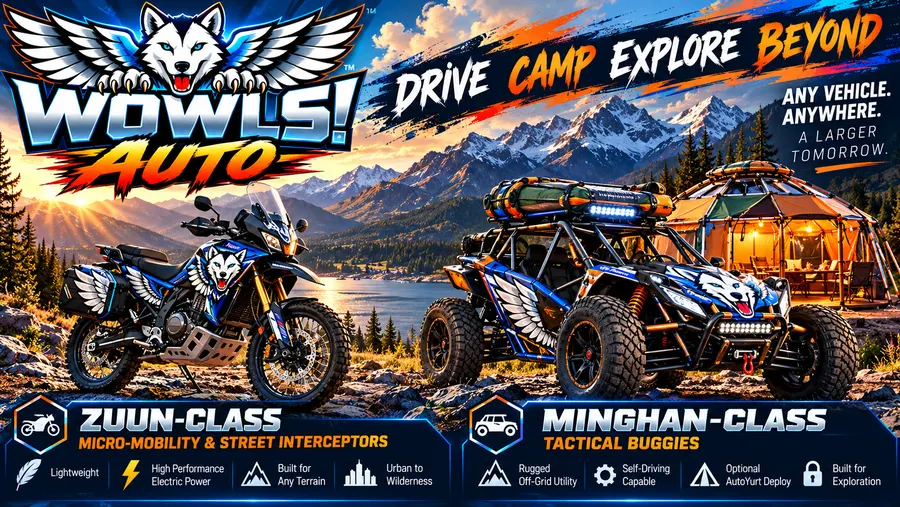
The WOWLS Zuun-Class electric street interceptor has a target weight < 200 lbs, using a titanium and carbon-composite skeletal frame. Its autonomy direction explores comma.ai open-source self driving; this is a proposed integration, not demonstrated motorcycle compatibility, an endorsement, or permission for hands-off riding.

Exotic Car Armor Protection Starts With the Material
Paint protection film, usually called PPF, is a transparent or colored sacrificial layer applied over painted surfaces. Quality automotive PPF typically uses flexible polyurethane to absorb minor abrasion and reduce damage from road debris. Many films have self-healing topcoats that soften fine surface marks with warmth; they do not repair deep cuts, dents or damaged paint.
Ceramic coatings are thin surface treatments that improve water behavior and make routine cleaning easier. They are not substitutes for impact-resistant film. Decorative vinyl wraps primarily change appearance and provide limited sacrificial coverage. In this market, “armor” is often marketing language: ask which material is being installed, its intended function and what its warranty actually covers.
Put Coverage Where the Road Hits
A full-front PPF package generally covers the bumper, hood, front fenders and mirror caps, but package names are not standardized. Request an itemized coverage map. Lower rocker panels, rear wheel impact zones and loading edges can matter just as much as the nose, particularly on cars with wide tires or frequent highway use.
Full-body film makes sense when preserving a consistent finish matters across every painted panel. Matte and satin finishes deserve special attention because localized polishing can change their sheen. Ask to see film samples on comparable paint, and confirm whether sensors, badges, vents and complex bumper recesses require exclusions, seams or separate pieces.
Typical Costs—and What Changes the Quote
As broad U.S. industry ranges, professionally installed full-front PPF commonly runs about –, while full-body coverage often falls around –or more. Intricate exotic bodywork, oversized panels, difficult access and specialty films can push costs higher. Professional ceramic-coating packages often range from roughly –$2,500, depending heavily on preparation and scope. These are budgeting guides, not WOWLS quotes.
Compare preparation as carefully as coverage. Washing, decontamination and appropriate paint correction affect the result underneath transparent film. Ask whether the estimate includes edge wrapping where feasible, trim removal, coating over the film and a follow-up inspection. A low initial price is less compelling if it excludes the surfaces or finishing work you expected.
Make the Livery and Protection Work Together
Custom graphics introduce a sequencing decision. Printed protection film, colored PPF and decorative vinyl paired with clear PPF are different systems—not interchangeable descriptions. Layer compatibility, adhesive behavior and future removal should be agreed with the installer before production. Coatings generally belong on the finished outer surface; coating underneath an adhesive film can compromise adhesion.
WOWLS! Auto & Mobility brings an Exotic Mongolian Livery direction to custom vehicle design: winged-wolf identity, distinctive graphics and a finish planned around the vehicle. WOWLS works hand in hand with established custom wrap businesses and can develop a livery from your own concept. Its custom-build direction is consultation-led; register interest through /contact rather than treating concept vehicles or finishes as stocked products.
Choose the Installer Before the Gloss
Look for recent work on similarly complex bodywork, not just dramatic studio photos. Inspect edges, tight curves and areas around badges. Ask how cutting is handled near paint, which components may be removed and who is responsible for reassembly. Repainted panels need particular care because film removal can expose weaknesses in the underlying paint bond.
After installation, follow the specified curing and washing instructions. Keep pressure-washer jets away from film edges, remove contamination promptly and use products compatible with the film or coating. For a WOWLS-led project, bring reference images, paint history and your driving priorities to a private custom-build consultation. Establish the protection specification first, then shape the livery around it.
Is PPF or ceramic coating better for protecting an exotic car?
PPF is the stronger choice for reducing stone-chip damage and minor abrasion because it adds a physical sacrificial layer. Ceramic coating is better understood as a cleaning and surface-maintenance upgrade, not impact armor. Many owners combine PPF on vulnerable panels with a compatible coating over the finished surface. Choose coverage according to driving conditions, paint finish and budget, and ask the installer to explain material compatibility, preparation, warranty exclusions and eventual removal before approving the work.