
// PAINT PROTECTION FILM (PPF) & ARMOR COATINGS
Advanced Polymer Wrap Film: PPF, Livery & Protection
Shopping for advanced polymer wrap film means sorting through a phrase that sounds more precise than it is. It can describe decorative vinyl, polyurethane paint protection film, or specialty multilayer products. For an exotic car or custom off-roader, the useful question is not which film sounds most advanced—it is which material delivers the finish, impact resistance and serviceability your vehicle needs.
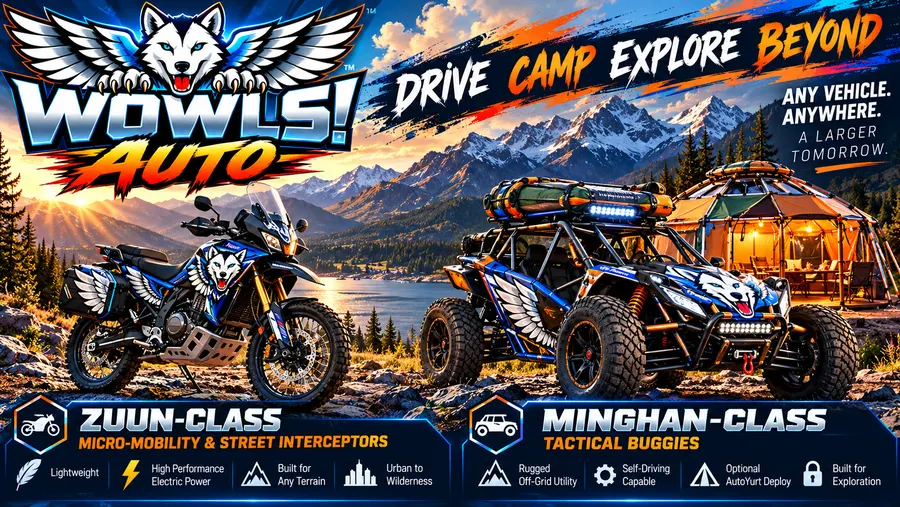
Start with the mission: change the appearance, defend vulnerable paint, or combine both. WOWLS! Auto & Mobility approaches custom livery as a design collaboration with established wrap businesses, translating an owner’s concept into a distinctive visual system. Material selection and installation planning should support that design, not follow as an afterthought.
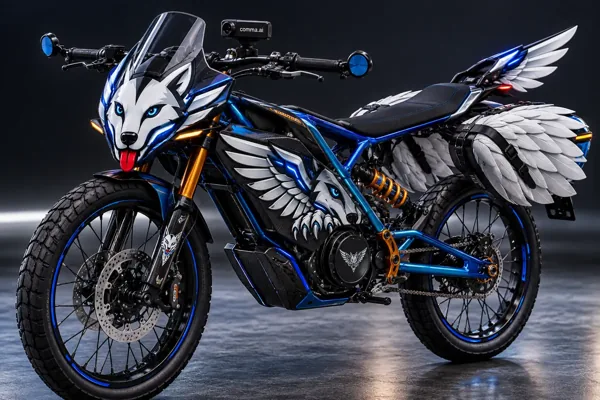
The WOWLS Zuun-Class electric street interceptor has a target weight < 200 lbs, using a titanium and carbon-composite skeletal frame. Its autonomy direction explores comma.ai open-source self driving; this is a proposed integration, not demonstrated motorcycle compatibility, an endorsement, or permission for hands-off riding.

Choosing advanced polymer wrap film by Function
Most premium color-change wraps use conformable cast vinyl. It works well for printed graphics, dramatic finishes and complex body contours, but it is primarily a styling material. It can absorb minor surface wear; it should not be sold as equivalent to dedicated stone-chip protection.
Paint protection film, usually based on thermoplastic polyurethane, provides a thicker, more resilient barrier against road debris and abrasion. Many products have a topcoat that allows light surface marks to diminish with warmth, within the manufacturer’s stated limits. That does not heal punctures or deep cuts. Color PPF combines appearance changes with protection, although available finishes, installation techniques and repair matching vary by supplier.
Match the Protection to the Miles
For a regularly driven performance car, a full-front PPF installation typically covers the bumper, hood, front fenders and mirrors. Rocker panels, rear wheel impact zones and loading edges can deserve equal attention. Highway mileage, tire width, body shape and gravel exposure matter more than a generic premium-package label.
Full-body PPF makes sense when preserving a consistent finish across expensive or difficult-to-match paint is the priority. A graphic vinyl wrap suits owners who want expressive livery and expect to refresh it. Combining printed vinyl and clear PPF is possible, but the installer must confirm compatibility, adhesion, edge treatment and warranty terms for the exact stack.
Budget for Preparation, Not Just Square Footage
Typical U.S. professional installation ranges are roughly $2,500–for a full color-change vinyl wrap, –for full-front PPF, and –or more for full-body PPF. These are broad industry planning ranges, not WOWLS quotes. Exotic bodywork, custom printed artwork, specialty finishes and extensive disassembly can push the total higher.
Ask whether the estimate includes decontamination, necessary paint correction, artwork setup, removal of old film and a post-installation inspection. Repainted panels need particular scrutiny: weak paint adhesion or insufficient curing can create problems during installation or removal. A cheaper quote that excludes preparation may be the more expensive route to a convincing finish.
Armor Claims Versus Coating Reality
Ceramic coatings can improve water behavior, cleaning and resistance to some surface contamination. They are not substitutes for impact-absorbing film. Treat “armor coating” as marketing unless the seller identifies the material, its intended use and documented performance. Neither a coating nor PPF makes bodywork dent-proof or scratch-proof.
A film-compatible coating can be useful over PPF or vinyl, but compatibility is product-specific. Confirm its effect on matte or satin finishes before application. For routine care, remove insects and bird deposits promptly, avoid abrasive washing, and keep pressure-washer jets away from film edges. Follow the film maker’s maintenance instructions rather than assuming every glossy surface needs the same treatment.
Build a Livery That Survives Close Inspection
Strong livery respects panel breaks, vents, sensors and the vehicle’s proportions. Request artwork views that show both sides, the nose and rear—not just one flattering rendering. Discuss where seams will land, which edges can be wrapped, and whether a damaged panel can be reproduced without replacing the entire design.
WOWLS! develops its Exotic Mongolian Livery direction through collaboration with established custom wrap businesses and customer-led concepts. Its Auto & Mobility machines remain concepts, not built or certified vehicles. For a current vehicle project, register interest through /contact and request a private consultation with the custom build team about design direction, installation coordination and protective-film options.
Is advanced polymer wrap film better than standard vinyl?
Not automatically. “Advanced polymer” does not identify a single material or guaranteed protection level. Cast vinyl is usually the practical choice for intricate graphics and color changes; polyurethane PPF is generally better suited to stone-chip protection. Color PPF can serve both goals, with different cost and finish trade-offs. Ask for the exact product specification, written warranty and an installation quote covering preparation and edges. Choose the system for your driving conditions and intended ownership period, not the most impressive label.