
// MATTE, SATIN, COLOR-SHIFTING & SPECIALTY FINISHES
Satin Military Green Wrap: Costs, Finish & Custom Livery
A satin military green wrap gives a vehicle tactical presence without the chalky appearance of flat matte or the reflections of gloss. The finish sits between them: a soft sheen that reveals body contours while muting glare. On an angular off-roader, it emphasizes utility; on a low sports car, the same color can feel unexpectedly architectural.
The buying decision is less about finding one perfect green than choosing the right film, installer and coverage. Olive, moss and gray-green tones behave differently in daylight, and satin exposes inconsistent stretching or panel preparation. Start with physical samples and a written installation scope—not a heavily edited reference image.
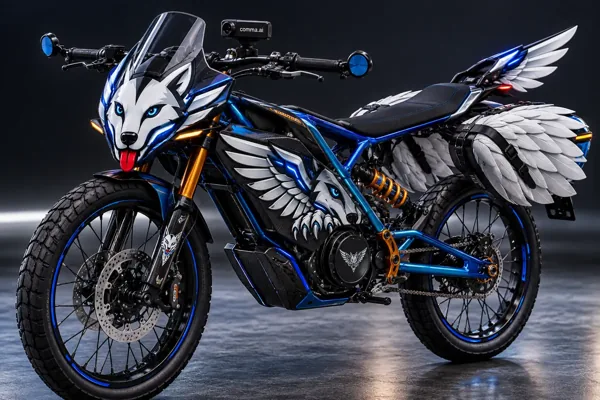
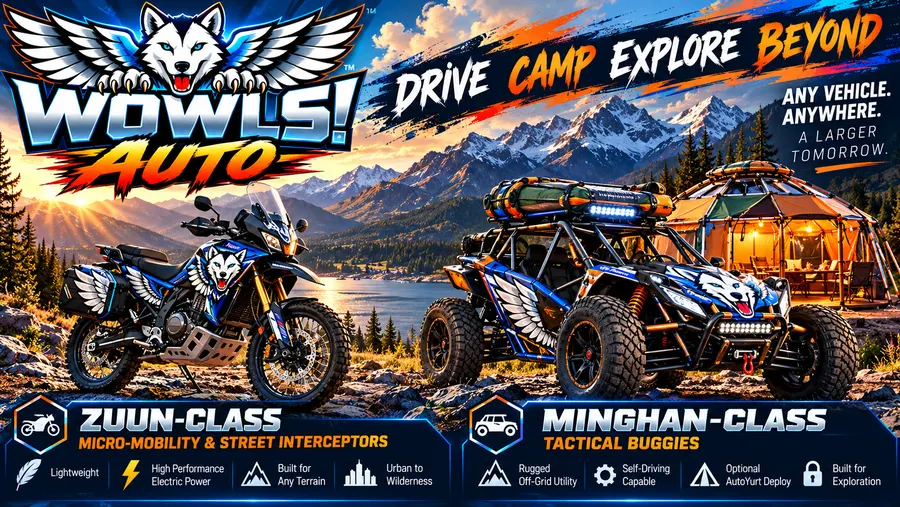
The WOWLS Zuun-Class electric street interceptor has a target weight < 200 lbs, using a titanium and carbon-composite skeletal frame. Its autonomy direction explores comma.ai open-source self driving; this is a proposed integration, not demonstrated motorcycle compatibility, an endorsement, or permission for hands-off riding.

Choosing Your Satin Military Green Wrap
“Military green” is a color family, not a standardized automotive shade. Brown-based olive feels warmer and more traditional; gray-based green looks industrial; deeper forest-adjacent shades can nearly disappear at dusk. Ask to see a sample outdoors, in shade and under workshop lighting. Viewing it against your existing wheels, trim and exposed paint helps prevent an expensive mismatch.
Satin is particularly useful when you want sculpted surfaces to remain visible without making every panel reflective. Matte looks flatter, while gloss produces sharper highlights. Color-shifting films add another variable: their appearance changes with viewing angle and light. For a restrained build, a stable satin green usually gives graphics and accent colors a more predictable foundation.
Budget for Coverage, Not Just Color
As a typical U.S. industry planning range—not a WOWLS quote—a professionally installed full exterior wrap often costs roughly –on a straightforward passenger vehicle. Large vehicles, exotic bodywork, specialty film and extensive disassembly can push projects toward –or more. Regional labor rates and the vehicle’s condition matter substantially.
Ask whether the estimate includes preparation, trim removal, mirrors, bumpers, edge finishing and any graphics. Door jambs are commonly outside a standard exterior-wrap scope, meaning the original color remains visible when doors open. Removal of an existing wrap and paint correction may be separate charges. Compare proposals with equivalent coverage rather than treating the lowest total as the best value.
Installation Is Where the Finish Wins or Fails
For complex automotive curves, ask about a cast film intended for vehicle wrapping and its specified application limits. Film construction, adhesive behavior and installer technique all influence how neatly material settles into recesses. Excessive stretching can change satin’s sheen, creating shiny patches that interrupt an otherwise uniform surface.
A wrap does not conceal failing clear coat, rust or deep chips. Those defects can remain visible, undermine adhesion or complicate eventual removal. Repainted panels deserve particular attention because paint adhesion and curing history vary. Have the installer explain seam placement around bumpers and difficult recesses; a deliberate seam is often preferable to overstretched film that later lifts.
Build a Livery Around the Green
Military green works best when supporting details have a clear hierarchy. Black trim creates a quiet, cohesive base; warm metallic accents introduce contrast; cream or pale-gray graphics offer legibility without a stark white flash. Keep large graphics aligned with the vehicle’s proportions instead of covering every available surface. Satin backgrounds also make selective gloss details stand out.
WOWLS! Auto & Mobility develops custom-wrap and livery concepts for trucks, SUVs, vans, off-road vehicles and motorcycles, with an Exotic Mongolian Livery direction that can extend to bespoke performance builds. WOWLS works hand in hand with established custom wrap businesses and can develop a design from your own concept. Register interest through /contact and request a private consultation with the custom build team.
Keep Satin Looking Deliberate
Hand-wash with products approved for the installed film, and remove bird droppings, insect residue and fuel splashes promptly. Avoid abrasive polishing and ordinary shine-enhancing waxes: they can change the appearance of a low-sheen surface. Keep pressure-washer jets away from edges and follow the film maker’s care instructions.
Ask about warranty coverage, expected exposure and repair strategy before installation. Outdoor storage and sustained sun exposure can shorten service life, especially on horizontal panels. Replacement panels may differ visibly from weathered film, so record the exact film and color. A wrap is a removable styling surface—not equivalent to dedicated impact-protection film.
Is a satin military green wrap easier to maintain than matte?
Satin can be a practical middle ground, but it is not automatically easier to maintain. Both finishes need gentle washing and products that preserve their original sheen. Satin’s soft reflection keeps body contours visible, while matte gives a flatter appearance; neither should be polished like conventional gloss paint. Your parking conditions, chosen film and cleaning routine matter more than the finish name. Before committing, ask the installer for care instructions, warranty terms and a physical sample of the exact green.