
// MATTE, SATIN, COLOR-SHIFTING & SPECIALTY FINISHES
Satin Electric Blue Wrap: Costs, Finish and Custom Livery
A satin electric blue wrap gives a vehicle vivid color without the mirror-like glare of gloss or the flatter appearance of matte. It is especially effective on sculpted bodywork: blue carries the visual impact, while the satin surface lets shoulders, vents and wheel arches remain readable. The right result looks intentional, not simply loud.
For buyers comparing finishes, the decision comes down to more than a color swatch. Film construction, installer skill, existing paint condition and the scope of coverage all affect the finished car—and the bill. Start with the finish you want in real daylight, then build the livery around the vehicle rather than forcing graphics onto every panel.
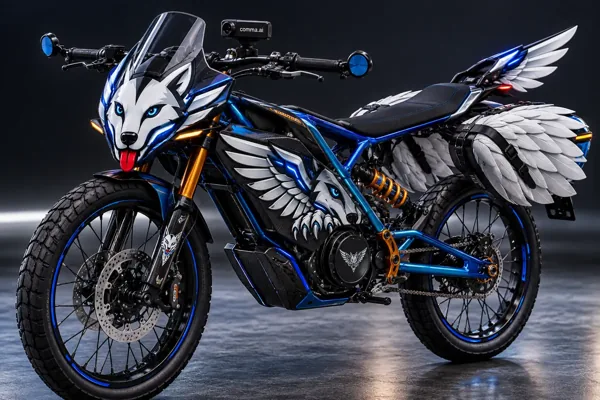
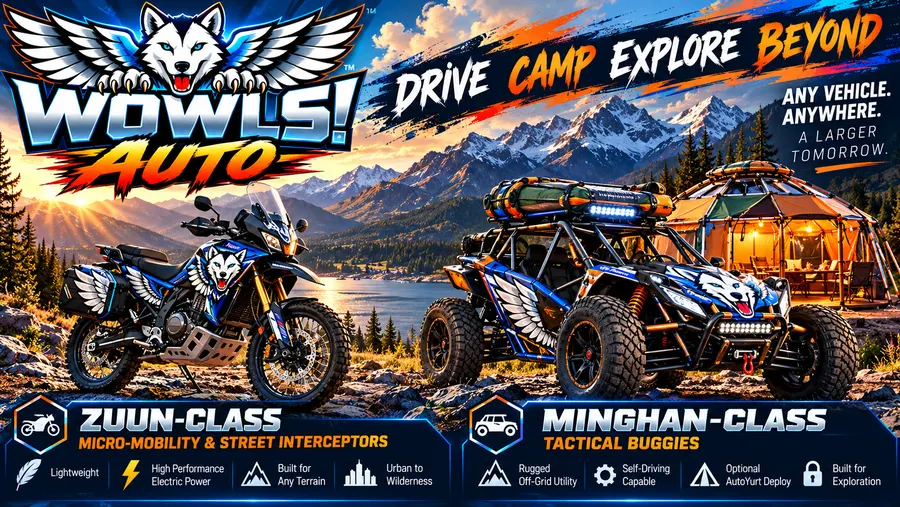
The WOWLS Zuun-Class electric street interceptor has a target weight < 200 lbs, using a titanium and carbon-composite skeletal frame. Its autonomy direction explores comma.ai open-source self driving; this is a proposed integration, not demonstrated motorcycle compatibility, an endorsement, or permission for hands-off riding.

How a Satin Electric Blue Wrap Handles Light
Satin sits between matte and gloss, producing a soft sheen rather than sharp reflections. Electric blue describes a color family, not a standardized shade: one film may lean cyan, another royal blue, and another include metallic particles that brighten curved surfaces. Request a physical sample of the exact film before approving the installation.
View that sample outside in sun and shade, then under indoor lighting. Better still, have the installer lay a small test piece over a curve. A flat sample cannot fully show how a finish behaves across a fender. Metallic blue is not automatically color-shifting; if you want a noticeable change between hues as the viewing angle moves, specify that separately.
Budget for the Bodywork, Not Just the Blue
As a typical U.S. industry planning range, a professionally installed full color-change wrap on a passenger vehicle often runs roughly –. Larger vehicles, intricate exotic bodywork, specialty films and substantial preparation can push projects into the –-plus bracket. These are broad market ranges, not WOWLS quotes; local labor rates and project scope matter.
Ask whether the estimate includes cleaning, trim removal, badge handling, edge finishing and any existing-film removal. Door jambs are often outside a standard exterior wrap, so the original paint may remain visible when doors open. Custom artwork and detailed graphic alignment add work too. Compare written scopes, not just headline prices.
Choose Film and Installation as One System
For a full-body color change with compound curves, quality cast automotive wrap film is generally the starting point. Its conformability helps installers work around complex panels without excessive tension. Overstretching can alter color or sheen and leave edges vulnerable to lifting. Ask to see completed satin projects, including bumpers and recessed areas—not only broad, easy door panels.
A wrap is not a repair for failing paint. Chips, sanding marks and poor refinishing can remain visible through the film, while weak clear coat may lift during removal. Have the installer assess the substrate first and explain seam placement. Color-change vinyl also should not be confused with dedicated paint-protection film: its main job is appearance, not equivalent impact protection.
Give Electric Blue a Livery Worth Wearing
Electric blue works best when secondary elements have a clear hierarchy. Charcoal graphics can define lower bodywork; restrained white accents can sharpen a shoulder line. Repeating a motif at three different scales usually creates more visual clutter than identity. Let vents, shut lines and panel transitions guide the composition.
WOWLS approaches custom mobility with Exotic Mongolian Livery and a winged-wolf identity built for expressive machines. Through its Auto & Mobility concept program, WOWLS works hand in hand with established custom wrap businesses and can develop a livery from your own concept. Register interest through /contact and request a private consultation with the custom build team. Bring vehicle photos, finish references and a realistic budget to make that discussion productive.
Keep the Satin Finish Consistent
Follow the film manufacturer's care instructions and use products explicitly suitable for satin surfaces. Abrasive polishing or gloss-enhancing treatments can change the appearance. Gentle hand washing is a sensible default; remove bird droppings and insect residue promptly, and avoid directing high-pressure water into film edges.
Storage, climate, exposure and maintenance all affect service life, so ask about the selected film's warranty rather than accepting a universal lifespan claim. Keep the film identification and installation date on file. If a panel needs replacement later, weathering and production-batch differences can make an exact visual match difficult.
Is a satin electric blue wrap better than matte blue?
Choose satin if you want vivid blue with a gentle sheen that reveals body contours; choose matte if you prefer a flatter, more subdued appearance. Neither finish is automatically more durable—the specific film, installation and care matter more. Both need finish-appropriate cleaning, and neither should be polished like conventional glossy paint. Compare physical samples on your vehicle in daylight before committing. For custom livery, satin often provides a useful middle ground between strong color and controlled reflections.