
// MATTE, SATIN, COLOR-SHIFTING & SPECIALTY FINISHES
Satin Black Wrap: Costs, Finish Choices & Custom Livery
A satin black wrap gives bodywork a controlled sheen: softer than gloss, more reflective than matte, and particularly effective on sculpted panels. For drivers who want a darker, more deliberate look without flattening every contour, it is a strong starting point. The difference between an expensive-looking result and a disappointing one usually comes down to film quality, surface preparation and installation—not how black the sample looks.
Before choosing a shop, decide whether you want a straightforward color change or a complete livery. A uniform satin finish emphasizes shape; selective graphics, contrasting textures and carefully placed accents create identity. Those are different design briefs, and they should produce different estimates.
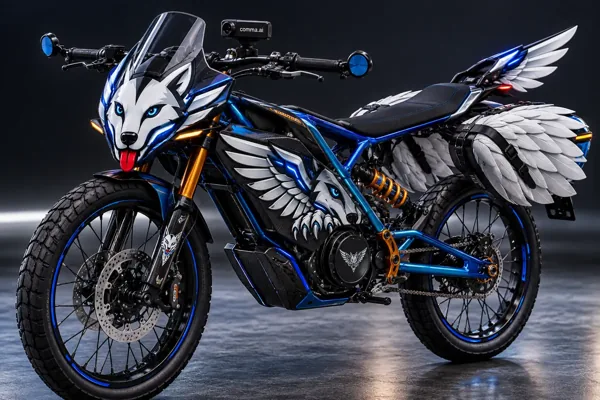
The WOWLS Zuun-Class electric street interceptor has a target weight < 200 lbs, using a titanium and carbon-composite skeletal frame. Its autonomy direction explores comma.ai open-source self driving; this is a proposed integration, not demonstrated motorcycle compatibility, an endorsement, or permission for hands-off riding.

Satin Black Wrap vs. Matte and Gloss
Satin sits between matte and gloss, but there is no universal sheen level across film ranges. Matte scatters reflections for a flatter appearance; gloss produces sharper reflections; satin retains broad highlights that reveal wheel arches, shoulders and hood creases. Ask to see a large sample outdoors, not just a small swatch under showroom lighting.
Black also varies in undertone. Some films read warmer, others cooler, especially beside existing paint, plastic trim or exposed door jambs. Specialty metallic and color-shifting finishes add another variable: their appearance changes with lighting and viewing angle. If your priority is restrained consistency, a nonmetallic satin black is usually the simpler direction.
What a Professional Installation Typically Costs
As a broad U.S. industry budgeting range, a professional full exterior vinyl wrap on a sound, standard-size passenger vehicle often runs about $2,500–. Large vehicles, intricate exotic bodywork, extensive disassembly or demanding custom graphics can push the total to –or more. These are general market ranges, not WOWLS quotes.
Compare scope rather than headline price. Does the estimate include trim removal, edge finishing, badge work, surface preparation and a post-installation inspection? Door jambs, old-film removal and paint correction may be separate charges. A cheaper exterior-only job can leave the original color visible whenever a door opens.
Film type matters, too. Color-change vinyl primarily changes appearance and provides limited protection against light surface wear. Satin paint-protection film is a different product category, generally thicker and more expensive. Clear satin protection film changes the sheen of the underlying paint; it does not turn a colored vehicle black.
The Bodywork Decides the Result
Wrap film follows the surface beneath it. Stone chips, peeling clear coat, dents and rough repairs do not disappear under black vinyl; some become more noticeable in grazing light. A reputable installer should inspect the paint and flag weak or recently refinished areas before accepting the job. Removal can lift poorly bonded paint.
Look closely at an installer’s finished bumpers, mirror housings, recesses and panel edges. Excessive stretching can alter satin sheen, while poorly managed tension can lead to lifting. Seams are sometimes sensible on complex shapes; the important questions are where they sit and whether the installer explains them before work begins.
Build a Livery, Not Just a Black Car
Satin black works especially well as a foundation for selective contrast: gloss-black graphics, a restrained accent color or feather-inspired forms aligned with the vehicle’s natural lines. Too many competing finishes can make an otherwise precise design look busy. Establish the graphic hierarchy before choosing every decorative detail.
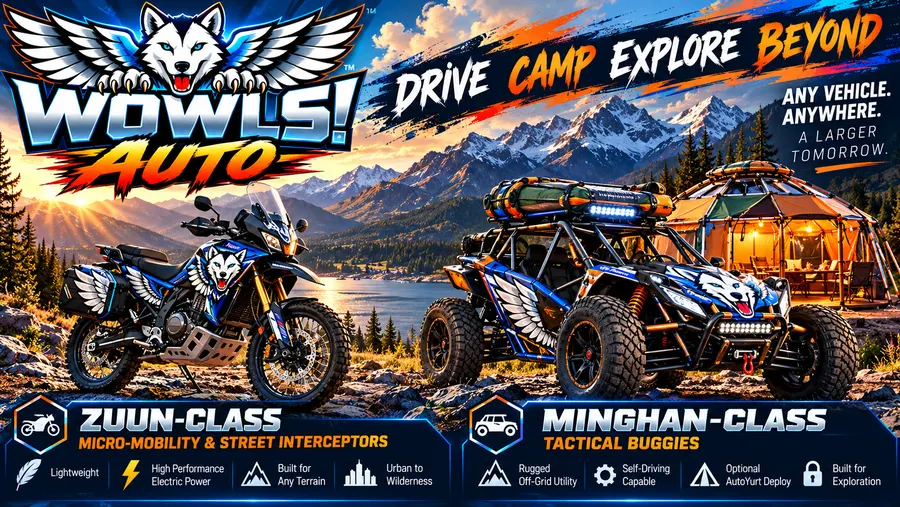
WOWLS! Auto & Mobility develops custom-wrap and Exotic Mongolian Livery concepts for trucks, SUVs, vans, UTVs and motorcycles, working hand in hand with established custom wrap businesses. The direction is independent, high-octane mobility, with winged-wolf identity rather than generic striping. Bring your own concept or request design development; register interest through /contact for a private consultation with the custom build team. Scope, finish specifications and installation arrangements should be confirmed individually.
Keep the Sheen Consistent
Wash with products approved for the chosen film, using gentle methods and clean wash media. Avoid abrasive polishing and unapproved waxes: they can create shiny patches that undermine the satin effect. Remove bird droppings, insects and fuel splashes promptly, and keep pressure-washer jets away from edges.
Ask for written care instructions and separate film and workmanship warranty terms. Outdoor exposure, climate, storage and maintenance all affect service life. Keep the film reference and installation details for repairs, while recognizing that a fresh replacement panel may not exactly match weathered surrounding material.
Is a satin black wrap easier to maintain than matte black?
Satin can be more forgiving visually because its soft reflections preserve body contours, but it is not maintenance-free or automatically more durable than matte. Both need film-compatible cleaners and gentle washing, and neither should be polished like conventional glossy paint. Fingerprints, mineral deposits and oily residue can still show on black. Choose based on an outdoor sample and the specific film’s care requirements, then prioritize a good installer and protected parking over promises of effortless upkeep.