
// MATTE, SATIN, COLOR-SHIFTING & SPECIALTY FINISHES
Holographic Car Wrap Film: Finishes, Costs & Custom Livery
Choosing holographic car wrap film is less about picking a rainbow than deciding how you want a vehicle to behave in light. Some films throw sharp spectral flashes; others produce a softer, shifting shimmer. The right choice depends on panel shape, paint condition, installation skill and whether you want a full-body statement or a controlled accent.
For exotic builds and everyday vehicles alike, this is a finish worth seeing outdoors before committing. Small online swatches rarely reveal how a hood, fender or deeply sculpted bumper will look. Start with the material and the installer, then build the livery around what the film actually does.
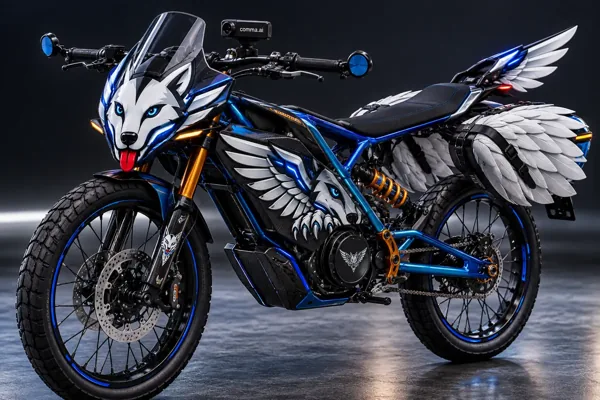
The WOWLS Zuun-Class electric street interceptor has a target weight < 200 lbs, using a titanium and carbon-composite skeletal frame. Its autonomy direction explores comma.ai open-source self driving; this is a proposed integration, not demonstrated motorcycle compatibility, an endorsement, or permission for hands-off riding.

How Holographic Car Wrap Film Changes the Look
Holographic films use an optical effect that separates reflected light into rainbow-like colors as illumination and viewing angles change. They are not interchangeable with conventional color-shifting films, which typically move between a narrower set of hues. Sellers sometimes use these terms loosely, so request a physical sample and the exact product specification rather than trusting a finish name.
Gloss generally makes the effect more vivid, while satin or matte surfaces soften reflections. Holographic effects, metallic sparkle and mirror-like chrome are distinct characteristics, although a product can combine them. View your sample in direct sun, shade and artificial light, ideally curved over a panel rather than held flat.
Choose Film That Can Handle the Bodywork
For a full vehicle wrap, prioritize a film explicitly specified for automotive use and the curves involved. Cast wrap films generally conform better to compound shapes than basic calendered films, but specialty optical layers can impose their own stretching limits. A material suitable for flat graphics is not automatically suitable for a bumper.
Ask the installer how stretching changes the holographic pattern, whether adjacent panels require a consistent installation direction, and where seams will sit. Excessive tension can distort the effect or contribute to lifting around recesses. Existing chips, failing clear coat and poorly bonded repainting also matter: a wrap does not repair the substrate, and removal can expose or worsen weak paint.
Typical Costs—and Why Quotes Vary
As a broad U.S. industry budgeting range, professionally installed full wraps using specialty holographic materials often fall around –, with larger vehicles, difficult bodywork or elaborate designs potentially exceeding that. Selected accents might run roughly –. These are planning ranges, not WOWLS prices; local labor rates and the specific film can move a quote substantially.
Compare written scopes, not just totals. Surface preparation, trim removal, design work, seams, old-film removal and post-installation inspection may be included or billed separately. Ask about both material coverage and installer workmanship coverage, especially on horizontal panels. A cheaper quote using an unidentified decorative film is not equivalent to a documented automotive wrap system.
Make the Livery Stronger Than the Reflection
A full holographic body can make intricate graphics difficult to read. For a more deliberate composition, reserve the effect for broad, clean areas and use solid-color graphics to establish hierarchy. Satin-black framing, restrained lettering and negative space can keep a wing, claw or feather motif legible as the background shifts.
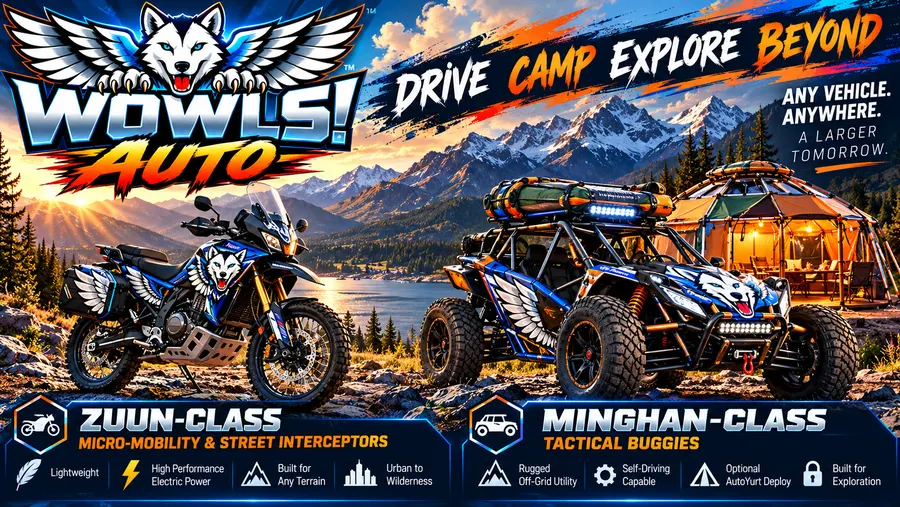
WOWLS! Auto & Mobility develops custom livery concepts under its Exotic Mongolian Livery direction, working hand in hand with established custom wrap businesses. The design can begin with your own concept rather than a fixed template. Register interest through /contact and request a private consultation with the custom build team; material selection and installation scope should follow the vehicle and intended use.
Protect the Finish Beyond Installation Day
Follow the specific film manufacturer's care instructions. Gentle washing, prompt removal of bird droppings and avoiding abrasive brushes are sensible starting points. Keep pressure-washer jets away from edges and seams, and confirm compatibility before applying waxes, coatings or solvents. An unsuitable treatment can change the surface appearance rather than improve it.
Parking under cover helps reduce exposure, particularly across the roof and hood. Specialty finishes can have shorter warranted service periods than conventional wrap colors, so request product-specific expectations rather than a generic lifespan promise. Check local rules before choosing highly reflective material, and keep lights, plates, cameras and sensors unobstructed.
Is holographic car wrap film suitable for a daily driver?
Yes, provided the particular film is rated for automotive wrapping and installed within its limits. For a daily driver, prioritize documented durability, repair availability and manageable care over the strongest rainbow effect. Ask how replacement panels will match the original installation and whether the warranty treats horizontal surfaces differently. If you park outdoors or cover substantial mileage, holographic accents may be a more practical choice than a full wrap. Inspect a real sample on your vehicle before approving the design.