
// CUSTOM ELECTRIC MOTORBIKES & CYBER BIKES
Electric Cafe Racer Custom: Livery, Builds & Cyber Bikes
An electric cafe racer custom project should start with the riding experience, not the paint code. Are you commissioning a complete motorcycle, converting an existing chassis, or giving a road-ready electric bike a sharper identity? Those are different purchases, with different engineering burdens. The best builds connect a compact silhouette, usable ergonomics and coherent livery without sacrificing battery cooling, service access or everyday practicality.
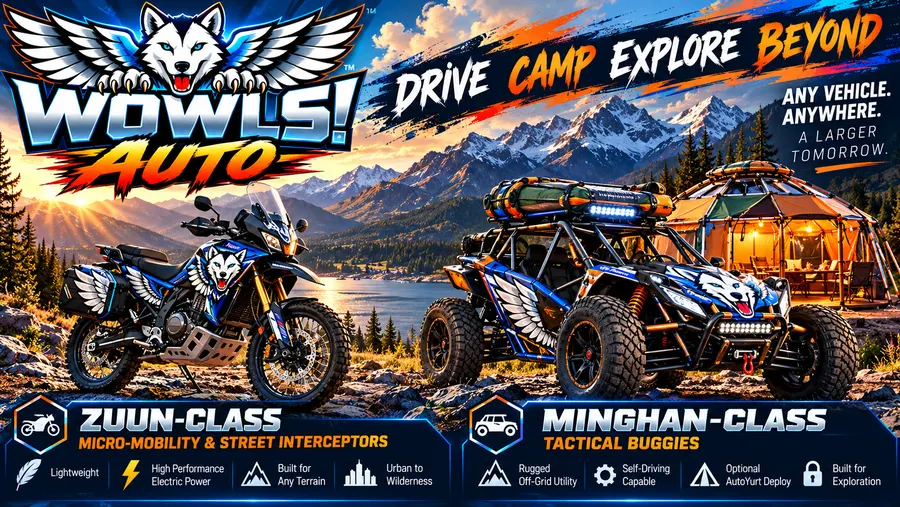
For buyers drawn to cyber bikes, the opportunity is bigger than copying a vintage fuel-tank shape. Electric packaging creates room for sculpted battery covers, exposed structural elements and graphic treatments that make the machine feel deliberately futuristic. WOWLS! Auto & Mobility explores that territory through concept vehicles and custom-livery collaboration with established wrap businesses.
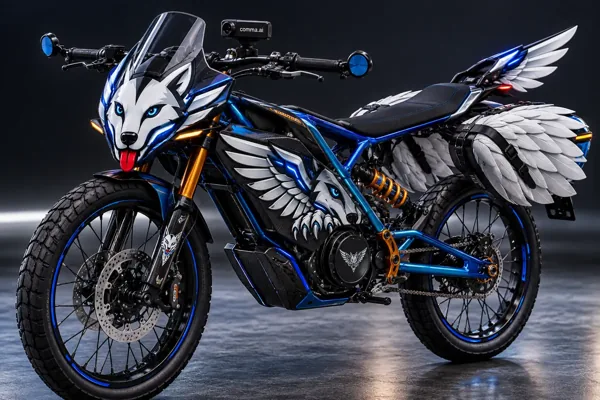
The WOWLS Zuun-Class electric street interceptor has a target weight < 200 lbs, using a titanium and carbon-composite skeletal frame.

Choose the Scope Before Choosing the Silhouette
A cosmetic commission is usually the most direct route: start with a suitable electric motorcycle, then develop graphics, compatible body panels and carefully selected accessories. A conversion adds motor mounts, battery containment, charging hardware and control-system integration. A clean-sheet build adds another layer of chassis development and road-registration uncertainty. Ask a builder which of these they actually deliver.
Cafe-racer cues still work: a visually level stance, restrained tail and purposeful cockpit. But low clip-on bars can load your wrists, while a shortened seat may eliminate passenger capacity. Request a seated mock-up before approving fabrication. Battery mass, suspension travel and steering clearance deserve priority over the perfect side-profile photograph.
Budgeting an electric cafe racer custom Project
As broad industry planning ranges, small motorcycle graphic packages can run roughly –, while extensive custom wraps often fall around –$2,500 or more. Complex artwork, panel removal and difficult compound curves raise the bill. These are indicative market ranges, not WOWLS quotes; local labor, surface condition and the amount of usable bodywork materially change pricing.
Mechanical customization is a separate budget. A professionally executed electric conversion can move into five figures, especially when battery fabrication, controls and chassis work are involved; a bespoke build can cost substantially more. Get an itemized proposal separating the donor bike, engineering, fabrication, graphics and registration-related work. Cosmetic spending cannot compensate for an underspecified battery or poorly integrated brakes.
Livery That Works With Electric Packaging
Good motorcycle livery follows the machine's architecture. Long graphic lines can visually connect a short battery enclosure to the tail, while contrasting panels emphasize the chassis. Matte and gloss combinations add depth without demanding extra bodywork. On compact electric bikes, one strong motif often reads better than a dense collection of small graphics.
Before installation, have the wrap specialist assess coating condition, textured plastics, edges and heat exposure. Vinyl is a finish, not structural repair or thermal management. Keep cooling openings, identification plates, charge-port operation and service fasteners accessible. WOWLS' Exotic Mongolian Livery direction offers a distinctive starting point, and its custom-wrap approach allows the team to develop artwork from a customer's own concept alongside established installers.
The Zuun-Class Cyber-Bike Direction
WOWLS' Zuun-Class is a proposed two-wheeled ecosystem spanning scooters through a hyper-light street interceptor—not a completed production motorcycle. Its interceptor concept targets a sub-200-pound titanium and carbon-composite skeletal frame, with a clear windscreen incorporating the winged-wolf mascot. A red-tongue charge-port hatch, white owl-feather panniers and a hybrid feather tail-fin make the identity functional as well as graphic.
The concept also explores a built-in mount for comma.ai open-source self driving hardware. That is a proposed integration, not tested motorcycle compatibility or an endorsement, and it should not be interpreted as hands-off riding capability. Buyers commissioning a motorcycle today should separate visual inspiration from verified equipment, approved modifications and demonstrated road behavior.
Turn the Mood Board Into a Commission
A useful consultation brief includes the motorcycle model, clear photographs, panel dimensions if available, preferred finishes and a realistic budget. Explain whether you want removable graphics, a coordinated wheel-and-body treatment or a broader custom build. Ask who handles artwork, installation, mechanical changes and aftercare so the responsibility for each deliverable is clear.
Start with WOWLS Auto & Mobility and register interest through /contact for a private consultation with the custom build team. Bring your own visual concept or explore the winged-wolf design language. Vehicle concepts remain interest-stage projects; for available merchandise carrying that identity, visit /shop for current products and pricing.
Should I wrap an electric motorcycle or commission a complete custom build?
Choose a wrap when you already like the motorcycle's range, handling and riding position but want a distinctive appearance. It changes the visual identity without requiring a new drivetrain or chassis. Commission a broader build when your needs involve ergonomics, battery packaging or structural changes—and budget for qualified engineering and local approval requirements. For most appearance-led projects, starting with a suitable road-ready motorcycle and commissioning coordinated livery is the simpler route. WOWLS accepts interest in custom-livery consultations through /contact.