
// EXOTIC SUPERCAR CUSTOM WRAPS & BESPOKE LIVERY
Digital Camo Wrap: Bespoke Livery for Exotic Cars
A digital camo wrap turns a car’s bodywork into a graphic system: pixel-like blocks, stepped edges and layered colors that interrupt its silhouette. On an exotic car, the best results do more than attract attention. They follow the vehicle’s proportions, emphasize its strongest surfaces and keep the pattern from swallowing every intake, crease and aero element.
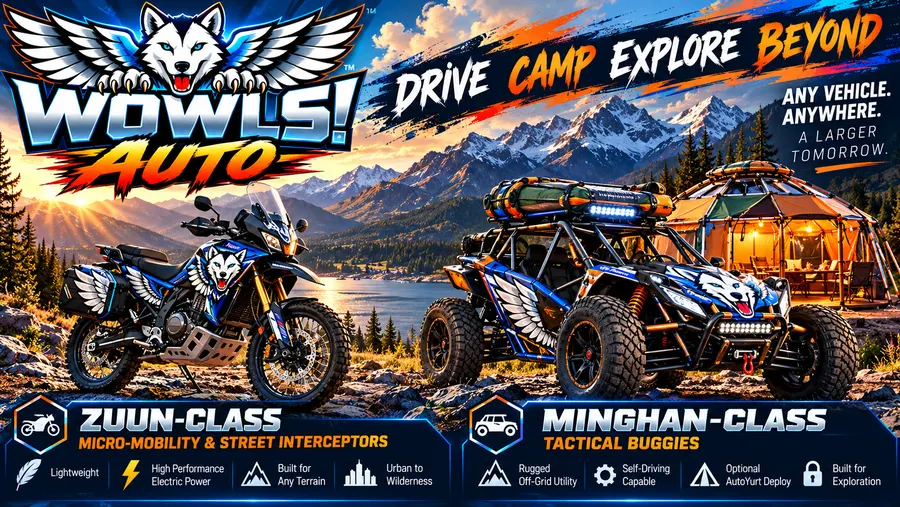
The buying decision comes down to design quality, film specification and installation skill—not simply choosing a camouflage file. For a bespoke supercar livery, commission the artwork around the actual vehicle, then have the designer and installer resolve placement together. WOWLS! Auto & Mobility brings its winged-wolf identity and Exotic Mongolian Livery direction to that conversation through private custom-build consultations.
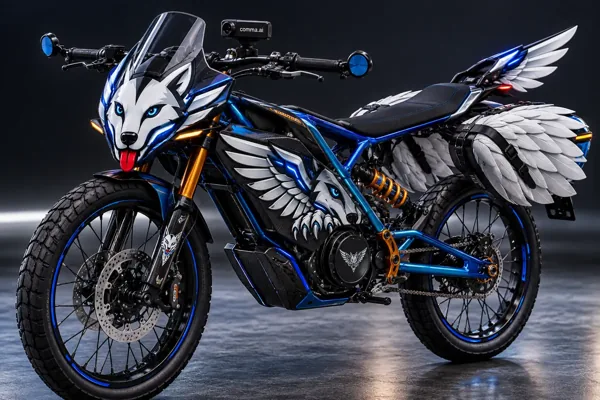
The WOWLS Zuun-Class electric street interceptor has a target weight < 200 lbs, using a titanium and carbon-composite skeletal frame. Its autonomy direction explores comma.ai open-source self driving; this is a proposed integration, not demonstrated motorcycle compatibility, an endorsement, or permission for hands-off riding.

Build a digital camo wrap Around the Body
Digital camouflage uses hard-edged, usually rectilinear shapes rather than the rounded patches of traditional camouflage. For automotive use, it is primarily an aesthetic treatment, not a promise of concealment. Small pixels create dense texture; larger blocks read more clearly at a distance and can suit broad doors, long hoods and dramatic rear quarters.
Start with a restrained palette: a base tone, a contrasting secondary color and an accent. Graphite, warm gray and off-white deliver a technical look; a sharp accent can connect the graphics to brake calipers or interior stitching. Ask for views of both sides, the front and the rear. A strong side rendering alone cannot prove that the design works across the whole car.
Printed Film or Layered Vinyl?
A printed wrap places the entire pattern onto printable automotive film, typically protected by a compatible laminate. This allows detailed artwork and controlled repetition without stacking individual shapes. Cast wrap film is generally preferred for complex compound curves; the installer should specify the film-and-laminate system rather than selling an unspecified premium material.
Layered cut vinyl builds the pattern from separate colored pieces, either over paint or a base wrap. It can combine different finishes effectively, but creates additional edges and labor. Satin often gives digital camouflage a balanced, low-glare appearance. Gloss increases reflections, while matte requires careful cleaning because abrasion can leave uneven sheen. Request physical samples before approving a finish from a screen.
Budget for the Shape, Not Just the Square Footage
As a broad U.S. industry planning range, a professionally installed full printed camouflage wrap often falls around –. Exotic vehicles, extensive disassembly, intricate alignment or unusually involved artwork can push projects beyond. These are typical budgeting ranges, not WOWLS quotes; location, vehicle condition and project scope can change the total substantially.
Request an itemized proposal covering design revisions, printing, laminate, preparation, installation and any removal of existing film. Clarify whether door jambs, exposed returns and small aero pieces are included. A cheaper exterior-only job may leave the original paint visible whenever a door opens. Partial livery can be a deliberate alternative: concentrate the camouflage on selected surfaces rather than stretching a limited budget across the entire body.
Where Exotic-Car Wraps Go Wrong
Deep intakes, sharp bumper transitions and complex mirrors make installation technique especially important. Excessive stretching can distort square pixels and stress the film. Ask where seams and inlays will sit, how the installer handles panel gaps, and whether the artwork accounts for distortion on curved surfaces. Those decisions should happen before printing.
Paint condition matters just as much. Vinyl does not repair stone chips, failing clear coat or unstable refinishing, and removal can expose existing weaknesses. Have the shop inspect and document the surface beforehand. For care, follow the film supplier’s instructions, clean contaminants promptly and avoid directing pressure-washer jets at edges. Keep the approved artwork on file so damaged panels can be reproduced, allowing for color differences as the original wrap ages.
Commission a WOWLS Livery With Intent
WOWLS! Auto & Mobility develops custom-wrap and livery concepts in collaboration with established wrap businesses. Its Exotic Mongolian Livery direction offers a starting point for digital camouflage, winged-wolf graphics and aerospace-inspired visual treatments. Bring your own concept, too: the strongest commission translates your vehicle, palette and intended use into a coherent design rather than applying a generic pattern.
Explore /auto first, then register interest through /contact and request a private consultation with the custom build team. Include the vehicle’s body style, clear photographs, preferred finish and whether you want full coverage or selective graphics. WOWLS vehicle concepts remain concepts; discuss the proposed livery scope, installation arrangements and quotation directly.
Is a digital camo wrap better printed or made from layered vinyl?
For a detailed, full-car digital camouflage design, printed cast film with a compatible laminate is often the cleaner choice: it reproduces complex artwork without numerous overlapping edges. Layered cut vinyl suits simpler patterns and designs combining distinct colors or finishes, but adds installation labor and visible edges. Neither method is automatically superior. Choose based on pattern complexity, body shape, desired finish and repair strategy, and have the installer explain seam placement before approving production.