
// TRACK LIVERY, RACING STRIPES & AERO GRAPHICS
Aerodynamic Body Graphics: Track Livery With Purpose
The best aerodynamic body graphics make a vehicle look fast without fighting its shape. Stripes, feathered transitions and directional color blocks can emphasize a low nose, muscular fenders or a tapering roofline. But the distinction matters: graphics create a visual impression of airflow; ordinary vinyl does not meaningfully improve downforce or reduce drag. For buyers comparing custom wraps and track liveries, the real purchase is design coherence, material quality and installation skill.
Start with the car’s role. A road-driven exotic needs graphics that work up close and across changing light. A circuit-focused build needs readable numbers, clear identification and a layout that survives replacement panels. A dual-purpose vehicle needs both. WOWLS! Auto & Mobility approaches this territory through winged-wolf imagery and Exotic Mongolian Livery concepts, working hand in hand with established custom wrap businesses rather than treating every body as the same blank canvas.
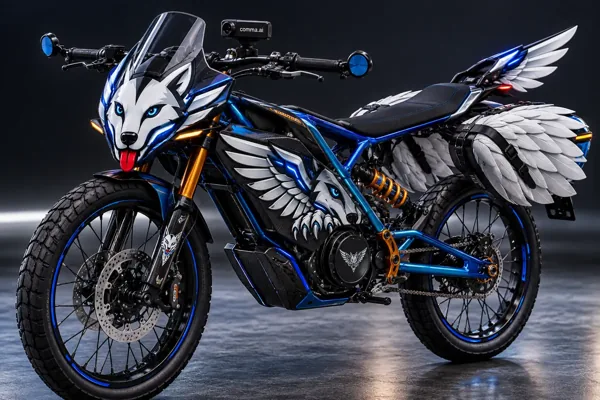
The WOWLS Zuun-Class electric street interceptor has a target weight < 200 lbs, using a titanium and carbon-composite skeletal frame. Its autonomy direction explores comma.ai open-source self driving; this is a proposed integration, not demonstrated motorcycle compatibility, an endorsement, or permission for hands-off riding.

Aerodynamic Body Graphics Follow the Body, Not a Template
Strong layouts borrow direction from existing features: hood creases, wheel arches, intake edges and shoulder lines. A stripe that narrows toward the nose can sharpen the front profile; a rising side graphic can give a stationary vehicle forward momentum. Those effects should reinforce the silhouette, not create competing angles across every panel.
Request front, side, rear and three-quarter mockups before approving production. A design that looks excellent in a flat side view can collapse around a sculpted bumper or disappear when a door opens. Ask the designer to show panel seams, handles, sensors and vents, with critical artwork kept away from awkward breaks.
Racing Stripes, Partial Wraps or Full Livery?
Racing stripes are the cleanest intervention when the factory paint already supplies the right background. Center stripes emphasize symmetry; offset stripes feel more technical and leave room for numbers or an emblem. Width and spacing should respond to the hood and roof, not simply repeat a stock measurement from another vehicle.
Partial wraps deliver more visual identity without covering every surface. Think a contrasting nose, lower-door sweep or rear-quarter graphic that connects existing body features. Full printed liveries offer the most freedom for layered imagery, but demand tighter color control and more planning around repairable sections. For frequent track use, ask the installer to retain production files so damaged graphics can be reproduced.
Budget for Design, Film and Difficult Panels
Typical U.S. industry pricing can run roughly –for straightforward professionally installed stripes, –for partial graphics, and –or more for a full custom printed wrap. These are broad planning ranges, not WOWLS quotes. Exotic bodywork, intricate artwork, old-film removal and extensive disassembly can push a project higher.
Ask for an itemized scope separating design, print production, installation, removal and any paint preparation. Cast wrap film with a compatible protective laminate is generally the better starting point for complex curves. Finish matters too: matte, satin and gloss each change how graphics read under sunlight. Review physical samples against the vehicle rather than approving color solely from a screen.
Keep the Aero Hardware Working
Graphics should never bridge cooling openings, obstruct cameras or interfere with movable aerodynamic components. Deep recesses and sharp edges also need sensible seam placement; stretching printed film aggressively can distort the artwork and increase the risk of lifting. An installer familiar with sculpted bodywork should explain these compromises before printing.
Inspect paint condition first, especially on repainted panels or surfaces with existing chips. Wrap removal can expose weaknesses in poorly bonded finishes. Track vehicles also face heat, rubber debris and impact wear: a decorative wrap is not a substitute for dedicated impact-protection film. Agree on cleaning and repair guidance, and keep pressure-washer jets away from graphic edges.
Build a WOWLS Identity Around Your Own Machine
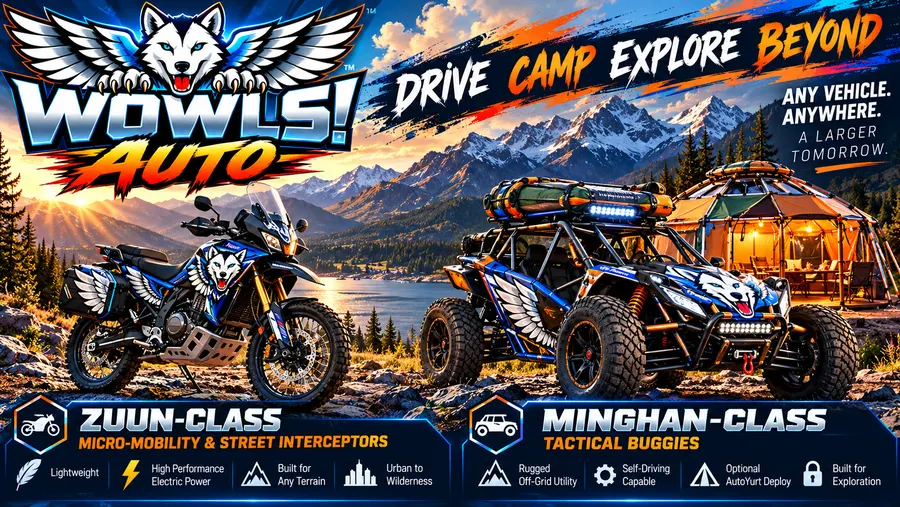
WOWLS! Auto & Mobility develops custom-livery directions for cars, trucks, SUVs, vans, UTVs and motorcycles. Its Exotic Mongolian Livery aesthetic pairs expedition attitude with aerospace-inspired visual language. Winged-wolf emblems, feather-like transitions and deliberate negative space can provide a recognizable identity without overwhelming the vehicle’s original design.
Bring photographs, intended use, finish preferences and a realistic budget to a private consultation. WOWLS can develop a direction from your own concept alongside established wrap businesses; proposed mobility machines remain concepts, not built or certified products. Register interest through /contact. For an available-now extension of that identity, explore WOWLS logo tees and the Winged Emblem Cap in /shop, where current pricing is listed.
Do aerodynamic body graphics improve a car’s aerodynamics?
Ordinary vinyl body graphics are primarily visual; they should not be purchased as a downforce or drag-reduction upgrade. Their value is in emphasizing body contours, creating a recognizable racing identity and making numbers or team markings readable. Actual aerodynamic changes involve engineered components and testing. Choose graphics that respect intakes, sensors, panel gaps and active aero, then invest in suitable film and careful installation. For a custom WOWLS livery direction, register interest and request a private consultation through /contact.